


Written by

Last updated:
June 22, 2026
What is an Employer of Record in Bhutan?
View our Employer of Record servicesBhutan is a small Himalayan kingdom located between India and China. Internationally, it is known for its focus on Gross National Happiness as a measure of economic success, rather than Gross Domestic Product (GDP).
The country remains relatively isolated compared to larger Asian economies, but it has gradually modernized its workforce and business environment. It has seen growth in the hydropower sector, tourism, education and digital infrastructure in recent years.
The economy is influenced by the government sector and India-linked trade, especially the hydropower partnership. This growth has opened up opportunities for international hiring in technology, finance, hospitality and renewable energy in Bhutan.
The labor market is still relatively small, and skilled professionals are concentrated in Thimphu, the capital. English is widely used in business and government administration, making it easier for international companies to hire in the country. It is considered a low-competition labor market, where employers can easily find the talent they want.
The labor market is a mix of formal labor and relationship-driven workplace culture. Employees place high importance on long-term job security and structured benefits. However, compensation expectations are more modest than in other Asian countries.
Foreign companies should understand that Bhutan's employment laws are still developing. This means the process is not as structured here as in Europe. Using an Employer of Record (EOR) in Bhutan is the most practical way for companies to hire local employees without establishing a local legal entity. You can learn more at https://rivermate.com/employer-of-record.
Foreign employers most often use EOR services to hire software developers, data analysts, customer support staff and finance roles in Bhutan.
How an Employer of Record (EOR) Works in Bhutan
Using an EOR in Bhutan simplifies the process of hiring employees. It allows you to focus on your core business while the EOR manages the legal and HR responsibilities. Here is how it typically works:
- You Select the Best Candidate: Your company finds and selects the candidate you want to hire in Bhutan.
- The EOR Hires the Employee: The EOR provides a compliant employment contract and legally hires the employee on your behalf. The onboarding process in Bhutan only takes between 2 and 5 days for locals, but it will take longer for foreign workers as work permits need to be obtained.
- HR and Payroll Management: The EOR manages all global payroll, tax deductions, and social security contributions. It also checks the candidate's legal employment status, if applicable.
- You Manage Daily Work: Your new employee works for your company, and you manage their day to day tasks and responsibilities.
- Ongoing Compliance: The EOR continues to manage salary payments, taxes, HR administration and legal compliance requirements.
Why use an Employer of Record in Bhutan
International expansion offers numerous benefits, but requires significant financial, knowledge, and administrative resources. An Employer of Record (EOR) addresses not only the initial challenges but also has ongoing advantages for your company.
- Facilitates express global employment: You can hire employees in Bhutan without the time and expense of establishing a legal entity in the country.
- Ensure Compliance: An EOR helps you stay compliant with Bhutan's strict labor laws, including the Labor and Employment Act of 2007.
- Mitigate Risk: Your company remains fully compliant with Bhutan’s business and employment regulations.
- Focus on Your Business: By managing the administrative side of employment, an EOR allows you to focus on your expansion strategy.
Responsibilities of an Employer of Record
As an Employer of Record in Bhutan, Rivermate is responsible for:
- Creating and managing the employment contracts
- Running the monthly payroll
- Providing local and global benefits
- Ensuring 100% local compliance
- Providing local HR support
Responsibilities of the company that hires the employee
As the company that hires the employee through the Employer of Record, you are responsible for:
- Day-to-day management of the employee
- Work assignments
- Performance management
- Training and development
Employ top talent in Bhutan through our Employer of Record service
Book a call with our EOR experts to learn more about how we can help you in Bhutan







Book a call with our EOR experts to learn more about how we can help you in Bhutan.
Trusted by more than 1300 companies around the globe


Hiring in Bhutan
Hiring timelines in Bhutan are slower than in major Asian hubs like Singapore and Hong Kong because the country has a smaller talent pool. Many employers will rely on referrals, local networks, and university connections rather than traditional recruitment channels. As a result, filling professional roles takes longer and is more dependent on informal networks.
Currently, quality jobs are concentrated in the public sector and held mainly by men and highly educated workers. The tertiary education system is producing more skilled professionals than the government can employ; for this reason, Bhutan is encouraging foreign companies to hire graduates.
Foreign companies find excellent tech staff at lower employment costs in Bhutan. Popular roles include software developers, IT support staff, and data scientists. Candidates accept offers quickly, making it easy to build remote IT teams in a short time frame.
Although labor regulations are less complex than in European jurisdictions, employers are still expected to follow formal processes. Employment contracts in Bhutan should clearly outline salary structure, working hours, leave and probationary terms.
Expert insight: Employers should verify that candidates have all the required documentation for authorities before finalizing the employment contract. If they are not residents, visas and work permits should be verified during the recruitment process.
Employment contracts & must-have clauses
In Bhutan, you must provide a written employment contract to every employee. This document is the foundation of your relationship and must be in writing to be legally binding. Think of it as a clear agreement that protects both you and your employee by setting clear expectations from the start.
You can use either indefinite or fixed-term contracts. Indefinite contracts are for ongoing employment, while fixed-term contracts specify an end date or the completion of a specific project.
Your employment contracts must include these essential clauses:
- Identification of both parties: Names and addresses of the employer and employee.
- Job details: The employee's title and a clear description of their duties.
- Workplace location: Where the employee will be based.
- Start date: The official commencement date of employment.
- Contract duration: Specify if it's a fixed-term or indefinite contract.
- Working hours: The expected hours of work.
- Compensation: Details of the salary, wages, and any other benefits.
- Leave entitlements: Information on annual, sick, and other types of leave.
- Probationary period: If applicable, the duration and terms must be stated.
- Termination clauses: Procedures and notice periods for ending the contract.
- Dispute resolution: The process for handling disagreements.
Probation periods
Probation periods in Bhutan allow you and your new employee to assess if the role is a good fit. The maximum duration for a probationary period is up to six months. During this time, either you or the employee can terminate the contract with a shorter notice period, typically just one week. It's important to clearly state the length and terms of the probation period in the employment contract.
Working hours & overtime
Standard working hours in Bhutan are straightforward. The law sets the maximum at eight hours per day and 48 hours per week. For work beyond these standard hours, you must pay overtime.
| Category | Details |
|---|---|
| Standard Workday | 8 hours |
| Standard Workweek | 40-48 hours |
| Overtime Pay | At least 1.5 times the employee's regular hourly wage. |
| Night Work Premium | Work between 10:00 PM and 7:00 AM may entitle employees to additional compensation. |
Public & regional holidays
Your employees in Bhutan are entitled to paid public holidays. These holidays are a mix of national celebrations and Buddhist festivals. The dates for many of these holidays are based on the Bhutanese lunar calendar and can change each year.
Here are some of the key public holidays for 2026:
- Winter Solstice (Nyilo): January 2
- Traditional Day of Offering: January 19
- Losar (New Year): February 18-19
- Birth Anniversary of His Majesty the King: February 21-23
- Shabdrung Kuchoe: April 26
- Birth Anniversary of the Third Druk Gyalpo: May 2
- Lord Buddha's Parinirvana: May 31
- Birth Anniversary of Guru Rinpoche: June 24
- First Sermon of Lord Buddha: July 18
- Blessed Rainy Day: September 23
- Dashain: October 21
- Coronation of His Majesty the King: November 1
- Birth Anniversary of the Fourth Druk Gyalpo: November 11
- Descending Day of Lord Buddha: November 1
- National Day: December 17
Hiring contractors in Bhutan
Independent contractors do exist in Bhutan, but they remain less common than in larger international markets. Most professionals still prefer traditional employment arrangements that provide a steady income with long-term security.
Contractors are more likely to appear in consulting, construction, tourism projects, education and donor-funded development initiatives. The government is the primary employer of contractors in Bhutan.
Contractors and consultants in the construction industry must be registered in Bhutan’s online system (e-Zotin). They are classified according to a points system that evaluates their technical competence and education. All contractors are expected to sign an anti-corruption pact and may be barred from tendering if they have committed fraud or failed to fulfil past obligations.
Contractors are not suitable for every business in Bhutan, and employers must ensure they understand the contractor's registration status before concluding a service agreement.
An Employer of Record (EOR) can help you mitigate this misclassification risk. An EOR ensures that your workers are classified correctly according to Bhutanese law. They handle the legal and administrative tasks of employment, making sure you stay compliant with local regulations. This allows you to focus on your business while the EOR manages the complexities of local labor laws.
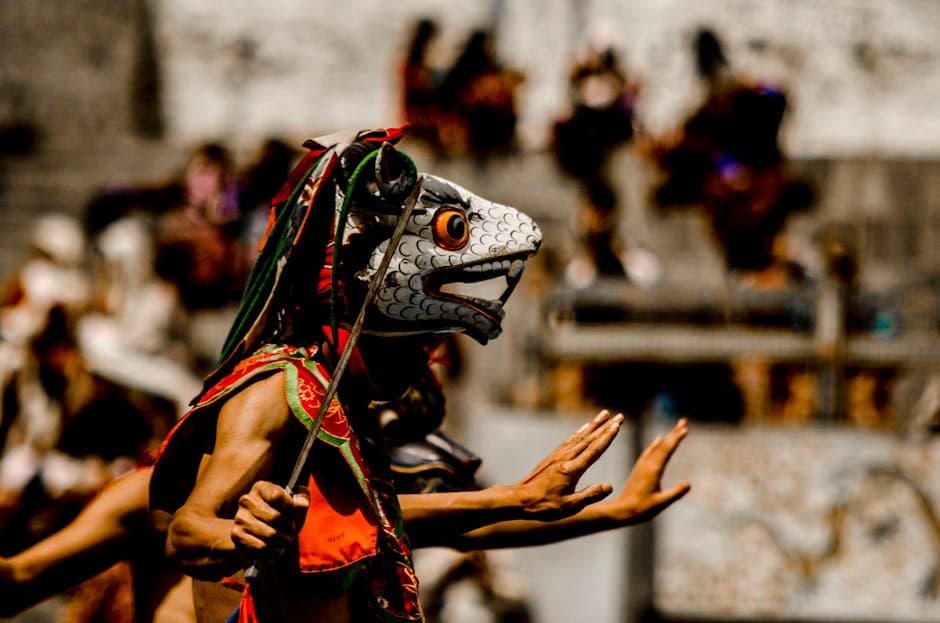
Compensation and Payroll in Bhutan
Compensation in Bhutan is not only a reflection of your company’s culture, but also its commitment to the country’s Gross National Happiness strategy. Pay structures that reflect elements of this strategy are considered more favorable than pay structures that reflect Western values.
Payroll cycles & wage structure
In Bhutan, the payroll cycle is typically monthly. You will pay your employees at the end of each calendar month. Direct bank transfers are the standard and preferred method for salary payments. You are also required to provide a payslip with each payment. This document should clearly break down the gross salary, any deductions, and the final net pay.
Your employees' salaries will vary based on their education, experience, and the industry you operate in. Beyond the basic salary, it is common to offer allowances. Some common allowances include:
- Dearness Allowance: To help with the cost of living and inflation.
- Housing Allowance: To assist with accommodation costs.
- Travel Allowance: For commuting or work-related travel.
Overtime & minimums
Standard work hours in Bhutan are capped at eight hours a day and 48 hours a week, spread over a maximum of six days. If your employees work beyond these standard hours, you must pay them overtime. The overtime rate is at least 1.5 times their normal hourly wage. For any work done between 10:00 PM and 7:00 AM, you are required to pay an additional premium.
Bhutan has a national minimum wage, which the Ministry of Labour and Human Resources reviews and adjusts periodically. You must adhere to this minimum wage, regardless of the size of your company or your industry.
Employer taxes and contributions
As an employer in Bhutan, you are responsible for contributing to the social security of your employees. The primary contribution is to the Provident Fund.
| Contribution | Rate | Notes |
|---|---|---|
| Provident Fund | 5% of employee's basic salary | This is a mandatory contribution for employees in the private sector. |
Employee taxes and deductions
You are responsible for withholding Personal Income Tax (PIT) from your employees' monthly salaries. This is done through the Pay As You Earn (PAYE) system. Bhutan uses a progressive tax system, meaning the tax rate increases with income. A new Income Tax Bill for 2025 has been proposed with updated tax brackets.
| Contribution | Rate | Notes |
|---|---|---|
| Provident Fund | 5% of basic salary | This is the employee's matching contribution to their retirement savings. |
Here are the proposed personal income tax rates for 2025:
| Annual Taxable Income (BTN) | Tax Rate |
|---|---|
| Up to 300,000 | 0% |
| 300,001 to 500,000 | 5% |
| 500,001 to 700,000 | 10% |
| 700,001 to 1,200,000 | 15% |
| 1,200,001 to 2,000,000 | 20% |
| 2,000,001 to 3,500,000 | 25% |
| Above 3,500,000 | 30% |
Source: Asia News Network
Employees can claim several deductions to reduce their taxable income. These include:
- Provident Fund Contributions: The employee's 5% contribution is deductible.
- Life Insurance Premiums: Premiums paid for life insurance can be deducted.
- Education Allowance: An allowance for the education of children may be deductible.
How an Employer of Record, like Rivermate can help with payroll taxes and compliance in Bhutan
An Employer of Record (EOR) manages monthly payroll calculations, employer contributions, and tax filings in-country on your behalf. Rivermate handles registrations, payslips, statutory reporting, and remittances to authorities so you stay compliant with local rules and deadlines—without setting up a local entity. Our specialists monitor regulatory changes and ensure correct rates, thresholds, and caps are applied to every payroll cycle.
Benefits and Leave in Bhutan
In Bhutan, there is a strong emphasis on employee well-being and happiness. Mandatory benefits are already focused on achieving this, and employer benefits should reflect the same goal. Wage packages that offer additional health benefits are common. Allowances that ease the cost of living are also preferred in Bhutan. Because the labor market is small, benefits play a huge role in employee retention.
Statutory leave
The law in Bhutan sets out several types of required leave for employees.
- Annual Leave: After a full year of work, employees get 30 days of paid leave. For those who have worked more than six months but less than a year, leave is calculated at 1.5 days for each month worked. Unused annual leave can be carried over, up to a maximum of 90 days.
- Sick Leave: Employees are entitled to five days of paid sick leave per year after they have been with a company for six months. If an employee is sick for more than three days in a row, they will need to provide a medical certificate.
- Maternity Leave: Mothers in the private sector are generally entitled to three months of paid maternity leave. For government-owned companies, this is extended to six months.
- Paternity Leave: Fathers receive a shorter period of paid leave when their child is born.
- Casual Leave: Employees can take up to 10 days of casual leave each year for personal matters that come up unexpectedly.
Public holidays & regional holidays
Your employees in Bhutan are entitled to paid time off for public holidays. Some holidays are observed nationwide, while others are specific to certain regions.
| Date | Holiday | National/Regional |
|---|---|---|
| January 2 | Winter Solstice (Nyilo) | National |
| January 30 | Traditional Day of Offering | National |
| February 21-23 | Birth Anniversary of His Majesty the King | National |
| February 28-March 1 | Losar New Year | National |
| May 2 | Birth Anniversary of Third Druk Gyalpo | National |
| May 7 | Shabdrung Kuchoe | National |
| June 11 | Lord Buddha's Parinirvana | National |
| July 5 | Birth Anniversary of Guru Rinpoche | National |
| July 28 | First Sermon of Lord Buddha | National |
| September 23 | Blessed Rainy Day | National |
| September 28 | Thimphu Drubchen Dromchoe | Thimphu |
| October 2 | Dashain Festival | National |
| October 2-4 | Thimphu Tshechu | Thimphu |
| November 1 | Coronation of His Majesty the King | National |
| November 11 | Birth Anniversary of Fourth Druk Gyalpo | National |
| November 11 | Descending Day of Lord Buddha | National |
| December 17 | National Day | National |
Typical supplemental benefits
Beyond the legally required benefits, many employers in Bhutan offer additional perks to attract and keep great employees. Here is a look at both the required and the common optional benefits.
| Statutory Benefits | Non-Statutory (Supplemental) Benefits |
|---|---|
| National Pension and Provident Fund contributions | Transportation allowance |
| Overtime pay | Housing allowance |
| Severance pay | Meal subsidies or canteen facilities |
| Worker's compensation for workplace accidents | Training and development opportunities |
| Performance bonuses | |
| Group life insurance | |
| Wellness programs |
How an EOR can help with setting up benefits
Setting up a benefits plan in a new country can be complex. An Employer of Record (EOR) simplifies this process for you. We handle the details of enrolling your employees in all the required national programs, like the pension and provident fund.
An EOR also helps you create a competitive benefits package that includes attractive supplemental perks. We can advise you on what is typical in the local market. This helps you attract top talent while we make sure your benefits plan follows all of Bhutan's labor laws.
How an Employer of Record, like Rivermate can help with local benefits in Bhutan
Rivermate provides compliant, locally competitive benefits—such as health insurance, pension, and statutory coverages—integrated into one EOR platform. We administer enrollments, manage renewals, and ensure contributions and withholdings meet country requirements so your team receives the right benefits without added overhead.
Termination and Offboarding in Bhutan
Termination procedures are not heavily regulated in Bhutan as in other Asian countries, but that doesn’t mean it follows an ‘at-will’ principle. Performance concerns must be documented, and proper notice periods given. Because Bhutan’s professional community is small, reputation matters more than economic incentive in this market.
Offboarding must be conducted respectfully and in accordance with the country's laws and regulations. Where foreign employers are unfamiliar with cultural and work practices, it is advisable to use an EOR for compliance support.
Notice periods
Giving an employee notice before their last day is a standard requirement. The amount of notice depends on how long they have worked for you.
Here are the minimum notice periods required by law:
| Length of Service | Minimum Notice Period |
|---|---|
| Less than 6 months | 1 week |
| 6 months to less than 5 years | 1 month |
| 5 years or more | 3 months |
You must give the notice in writing. If your employment contract states a longer notice period, you must follow that.
Severance pay
In certain situations, like redundancy, you need to provide severance pay. The payment amount is based on the employee's length of service and their last basic wage.
The standard way to calculate severance is:
- (Last Basic Monthly Wage / 30) * 15 * Number of Years of Service
This ensures that employees have some financial support while they look for new work.
How Rivermate handles compliant exits
When you manage an employee's exit, you want to do it right. We help you navigate every step of the offboarding process in Bhutan.
- Clear Guidance: We provide you with the exact steps to follow for a compliant termination.
- Correct Calculations: We calculate notice periods and severance pay accurately based on local laws.
- Documentation: We help you prepare all the necessary paperwork for a smooth exit.
Our goal is to make sure the process is fair, compliant, and straightforward for everyone involved. We handle the complexities so you can focus on your business.
Visa and work permits in Bhutan
Getting the right visas and work permits in Bhutan is a careful process. The system is designed to protect the local workforce, so hiring foreign nationals requires clear justification. For anyone looking to work in Bhutan, you'll need both a work permit and a visa.
Employment visas & sponsorship realities
When you hire employees in Bhutan, the work permit application is employer-driven. This means you, as the employer, must sponsor the application. You have to show the Department of Labour why you need to hire a foreign worker and that the role requires skills not easily found in Bhutan.
An Employer of Record (EOR) can manage this for you. An EOR acts as the legal employer in Bhutan, handling everything from contracts and payroll to visa and work permit applications. This allows you to hire employees in the country without setting up your own local company.
Here's what that process typically looks like:
- Justification: The EOR helps you prepare the paperwork to demonstrate the need for a foreign employee.
- Application: The EOR submits the application to the Department of Labour for approval.
- Immigration: Once approved, the EOR works with the Department of Immigration to secure the final work permit and visa.
Using an EOR simplifies the process and helps ensure you meet all local labor laws.
Business travel compliance
For short-term business visits, you still need to follow specific rules. All visitors, unless from India, Bangladesh, or the Maldives, must get a visa before traveling to Bhutan. You cannot buy a plane ticket to Bhutan without first having your visa clearance.
Key things to know for short trips:
- Visa Application: You can apply for a visa through the Bhutanese Department of Immigration website. The fee is $40, and processing can take up to five days.
- Sustainable Development Fee (SDF): A daily fee of $100 per person is required for most visitors. This fee supports development projects in Bhutan.
- Guides: While you no longer need a tour operator for all travel, you must have a guide if you travel outside the main cities of Paro and Thimphu.
Always check the latest rules with the Department of Immigration before you travel, as requirements can change.
How an Employer of Record, like Rivermate can help with work permits in Bhutan
Navigating work permits can be complex and time‑sensitive. Rivermate coordinates the entire process end‑to‑end: determining the right visa category, preparing employer and employee documentation, liaising with local authorities, and ensuring full compliance with country‑specific rules. Our in‑country experts accelerate timelines, minimize refusals, and keep you updated on each milestone so your hire can start on time—legally and confidently.
Frequently asked questions about EOR in Bhutan
Written by

Lucas Botzen
Lucas Botzen is the Founder of Rivermate, a global employment platform that helps companies hire, employ, and manage talent internationally. Since founding Rivermate in December 2020, he has focused on building practical solutions that simplify international payroll, benefits, taxes, contracts, and employment compliance for remote teams. Before Rivermate, Lucas co-founded and co-directed Boloo, an e-learning and software company that helped entrepreneurs start and grow e-commerce businesses. He scaled Boloo to more than €2 million in annual revenue before successfully exiting the business in 2020. Lucas holds a Bachelor’s degree in Business Innovation from Avans University of Applied Sciences. His background in entrepreneurship, technology, automation, and remote work continues to shape his approach to making global employment simpler and more human.
View profile