

Written by

Last updated:
July 10, 2026
What is an Employer of Record in Bahamas?
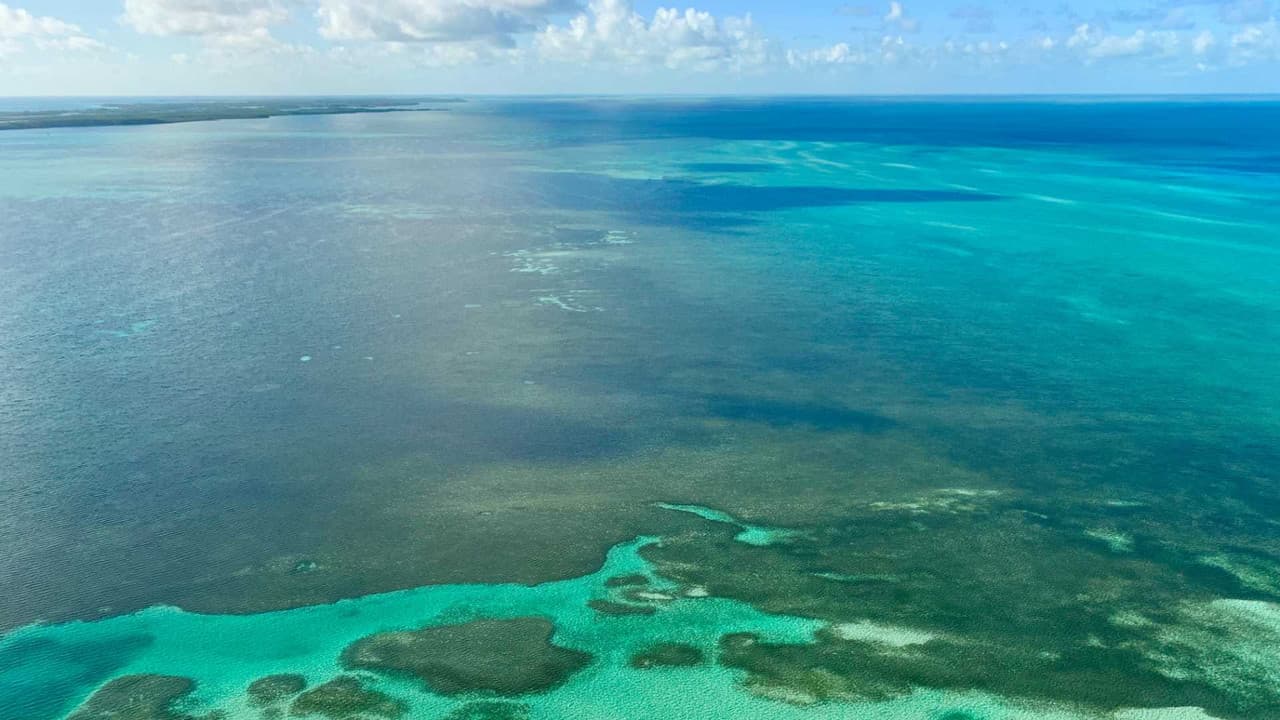
View our Employer of Record servicesThe Bahamas is a strategically located island archipelago in the Atlantic Ocean, with the closest island only 80km off the coast of Florida. It is considered a gateway country between North America, the Caribbean and Latin America.
The four biggest advantages of doing business in the Bahamas are its proximity to the United States, its tax-friendly business environment, and its English-speaking workforce. The country is also in the same time zone as the US East Coast, making it easier to conduct business activities. Countries seeking to establish a presence in Latin America and the Caribbean favor the Bahamas for these reasons.
Industry is mainly situated in Nassau (the capital city), Freeport (a major industrial hub), and Marsh Harbour (an important commercial hub in the Abaco Islands).
Companies choose to hire workers in the Bahamas because they gain access to skilled, English-speaking workers. Much of the country's expertise lies in the tourism, financial, customer support sectors, as well as wealth management. The high level of English proficiency in the country eliminates language barriers for international companies.
Local employment regulations are governed by the Employment Act, 2001 and the Labor Relations Act. These acts establish standards for wages, working hours, benefits and terminations. To enter the market, foreign companies must either establish a local legal entity (under the International Business Companies Act) or partner with an Employer of Record (EOR).
An EOR, like Rivermate, is already an established legal business entity. It enables global companies to hire workers quickly while ensuring compliance with employment regulations. Popular roles for which companies use an EOR in the Bahamas include customer support representatives, finance professionals and hospitality management specialists.
How an Employer of Record (EOR) Works in Bahamas
Partnering with an EOR for global hiring is a simple process facilitated by local HR experts. Here is the process:
- You Choose Your Team Member. You find and interview the person you want to hire in the Bahamas.
- The EOR Hires Them Legally. The EOR hires the employee through its local Bahamian entity. It drafts a compliant employment contract and handles all the onboarding paperwork. Onboarding is quick, and hiring local employees takes only one week. For a foreign national, the process can take between two and three months.
- The EOR Manages HR and Payroll. The EOR processes payroll in the local currency, withholds necessary contributions, and administers employee benefits. They make sure everything follows the rules set by authorities like the National Insurance Board of The Bahamas (https://www.nib-bahamas.com/).
- You Manage Daily Work. The employee works for your company. You direct their daily tasks, projects, and performance, just like any other team member. The EOR handles the HR administration in the background.
Why use an Employer of Record in Bahamas
Using an EOR is a practical way to hire from a global talent pool. It removes the major hurdles of international business expansion and simplifies the hiring process. Here are the other main benefits:
- Reduces the HR and Administrative Burden. You don't have to become an expert on Bahamian labor law. The EOR keeps up with all legal requirements, including the Bahamas' Employment Act, which you can find on the government's Labour Acts and Laws page (https://www.bahamas.gov.bs/labour). This protects you from legal risks.
- Facilitates Quick Hiring. Setting up a company abroad can take months. With an EOR, you can quickly enter international markets and onboard a new employee in a matter of days.
- Reduces Costs. You avoid the expensive legal fees, administrative costs, and capital requirements needed to register a business in the Bahamas.
- Handles Payroll and Benefits Easily. The EOR manages all aspects of payroll, including contributions for social security. They can also offer competitive benefits packages to attract top talent.
Responsibilities of an Employer of Record
As an Employer of Record in Bahamas, Rivermate is responsible for:
- Creating and managing the employment contracts
- Running the monthly payroll
- Providing local and global benefits
- Ensuring 100% local compliance
- Providing local HR support
Responsibilities of the company that hires the employee
As the company that hires the employee through the Employer of Record, you are responsible for:
- Day-to-day management of the employee
- Work assignments
- Performance management
- Training and development
Employ top talent in Bahamas through our Employer of Record service
Book a call with our EOR experts to learn more about how we can help you in Bahamas







Book a call with our EOR experts to learn more about how we can help you in Bahamas.
Trusted by more than 1300 companies around the globe


Hiring in Bahamas
Hiring in the Bahamas is more flexible than in many countries in North and South America, particularly for companies looking for workers in hospitality and financial services. This has made the Bahamas an attractive option for organizations looking to build customer support across the region.
Foreign employers like the fact that the Bahamian currency is pegged to the US dollar. This removes the challenges of managing exchange rate fluctuations associated with foreign payroll.
In recent years, foreign employers have recognized that the country has excellent talent. Demand has increased for hospitality, maritime operations and customer support employees. In practice, this created a competitive labor market where good candidates are quickly hired.
Due to the competitive nature of the labor market, employers should create efficient recruitment practices. Lengthy hiring cycles are unlikely to yield positive results in the Bahamas. It is advisable to establish compensation ranges and hiring timelines before beginning recruitment.
Employers should understand local salary expectations, statutory benefits and industry standards when preparing employment contracts.
Employment contracts & must-have clauses
Despite more flexible labor regulations, the country still requires employers to provide a written employment contract. The contract must include the country’s mandatory benefits and other employment obligations. Contracts should be written in English.
The written employment contract should include these key clauses:
- Parties' information: Names and addresses of both you and the employee.
- Job details: The employee's title and a clear description of their work.
- Start date: The official first day of employment.
- Work location: Where the employee will be based.
- Compensation: The salary or wage rate and how often you'll pay the employee.
- Working hours: The expected hours of work.
- Leave entitlement: Details on vacation, sick leave, and other time off.
- Termination conditions: The notice period and conditions for ending the employment.
- Confidentiality: A clause to protect your company's sensitive information.
Probation periods
The Bahamas doesn't have a legally mandated probation period. However, you can include a probationary period in a collective agreement, which typically lasts up to one year. This gives both you and the new hire a chance to see if it's a good fit.
Working hours & overtime
A standard workweek in the Bahamas is 40 hours, with a typical 8-hour workday. The maximum legal workweek is 48 hours.
Here's how overtime pay works:
- Standard overtime: For any hours worked beyond the standard 40-hour week, you must pay 1.5 times the employee's regular hourly rate.
- Public holidays: If an employee works on a public holiday, they are entitled to double their regular rate of pay.
Public & regional holidays
Your employees are entitled to paid time off for public holidays. If a holiday falls on a weekend, it's usually observed on the following Monday.
Here are the public holidays for 2026:
| Date | Holiday |
|---|---|
| January 1 | New Year's Day |
| January 10 | Majority Rule Day |
| January 12 | Majority Rule Day observed |
| April 3 | Good Friday |
| April 6 | Easter Monday |
| May 25 | Whit Monday |
| June 5 | Randol Fawkes Labour Day |
| July 10 | Independence Day |
| August 3 | Emancipation Day |
| October 12 | National Heroes' Day |
| December 25 | Christmas Day |
| December 26 | Boxing Day |
| December 28 | Boxing Day observed |
Hiring contractors in Bahamas
The Bahamas has an established independent contractor market operating across the hospitality, finance, tourism, IT and customer support industries. These professionals are used to support projects across the region.
Contractors are regarded as independent business professionals rather than employees. They have to pay their own taxes, dictate their own schedule and maintain control over how projects are delivered. Independence is a fundamental characteristic of contractor agreements, distinguishing them from traditional employment.
When a contractor becomes integrated into business operations through ongoing supervision, company-provided resources, and employee benefits, worker misclassification risks increase.
An Employer of Record can help businesses mitigate these risks by structuring employment correctly and handling contractor compliance.

Compensation and Payroll in Bahamas
In the Bahamas, employers are responsible for processing payroll internally or through a third-party provider. New employees must be registered with the relevant government authorities and social insurance programs (National Insurance Board).
Recent changes to National Insurance contributions require first-time employers in the country to verify that their payroll systems are up to date to avoid compliance risks.
Expert insight: Due to its more flexible labor conditions, first-time employers in the Bahamas often focus solely on base salary, overlooking mandatory benefits. These mandatory benefits can increase the total employment cost by 45% or more.
Payroll cycles & wage structure
You can pay your employees on a monthly, bi-weekly, or weekly schedule. Monthly pay is the most common. You decide the pay cycle and include it in the employment contract. There are no mandatory 13th or 14th-month bonus payments.
Overtime & minimums
The minimum wage is 260 Bahamian dollars (BSD) per week. You must pay overtime for any work that exceeds 8 hours in a day or 40 hours in a week. The standard overtime rate is 1.5 times the employee's regular pay. If an employee works on a public holiday, the pay is double their regular rate.
Employer taxes and contributions
Your primary responsibility is to contribute to the National Insurance Board (NIB). This funds social security benefits for your employees.
| Contribution | Rate |
|---|---|
| National Insurance Board (NIB) | 5.9% |
Employee taxes and deductions
Your employees also contribute to the National Insurance Board. They do not pay any income tax.
| Contribution | Rate |
|---|---|
| National Insurance Board (NIB) | 3.9% |
| Income Tax | 0% |
How an Employer of Record, like Rivermate can help with payroll taxes and compliance in Bahamas
An Employer of Record (EOR) manages monthly payroll calculations, employer contributions, and tax filings in-country on your behalf. Rivermate handles registrations, payslips, statutory reporting, and remittances to authorities so you stay compliant with local rules and deadlines—without setting up a local entity. Our specialists monitor regulatory changes and ensure correct rates, thresholds, and caps are applied to every payroll cycle.
Benefits and Leave in Bahamas
Employees in the Bahamas often receive generous benefits beyond their base salary. Common benefits include private healthcare, retirement savings and performance bonuses. Mandatory benefits make up a large part of salary packages, but supplementary benefits are also often provided.
Statutory Leave
Here are the legal minimums for paid time off in the Bahamas.
- Annual Leave: After one year of service, employees get at least two weeks of paid vacation. This increases to three weeks after seven years of employment.
- Sick Leave: Employees who have worked for at least six months are entitled to one week of paid sick leave per year. A medical certificate is required for any absence longer than one day.
- Maternity Leave: Female employees are entitled to 12 weeks of maternity leave. The employer pays a portion of the salary, and the National Insurance Board (NIB) may cover the rest.
Public Holidays & Regional Holidays
Employees are entitled to paid time off for public holidays. If they have to work, they must receive premium pay.
| Holiday | Date in 2025 |
|---|---|
| New Year's Day | January 1 |
| Majority Rule Day | January 10 |
| Good Friday | April 18 |
| Easter Monday | April 21 |
| Randol Fawkes Labour Day | June 6 |
| Whit Monday | June 9 |
| Independence Day | July 10 |
| Emancipation Day | August 4 |
| National Heroes Day | October 13 |
| Christmas Day | December 25 |
| Boxing Day | December 26 |
Typical Supplemental Benefits
Beyond the legal requirements, many employers offer additional benefits to attract top talent.
| Statutory Benefits | Non-Statutory (Supplemental) Benefits |
|---|---|
| National Insurance Board (NIB) Contributions | Private Health Insurance |
| Paid Annual Leave | Life and Disability Insurance |
| Paid Sick Leave | Performance-Based Bonuses |
| Paid Maternity Leave | Additional Paid Time Off (e.g., paternity leave) |
| Severance Pay | Retirement or Pension Plans |
How an EOR Can Help with Setting Up Benefits
Setting up a competitive benefits package in a new country can be complex. An Employer of Record (EOR) simplifies this process for you.
We handle the details of Bahamian employment law. This means we ensure you comply with all mandatory contributions and leave policies. We can also advise you on what supplemental benefits are common in your industry to help you attract the best candidates.
An EOR helps you:
- Stay compliant with local labor laws.
- Administer payroll and NIB contributions correctly.
- Offer competitive benefits packages without the administrative burden.
- Save time and resources, so you can focus on growing your business.
How an Employer of Record, like Rivermate can help with local benefits in Bahamas
Rivermate provides compliant, locally competitive benefits—such as health insurance, pension, and statutory coverages—integrated into one EOR platform. We administer enrollments, manage renewals, and ensure contributions and withholdings meet country requirements so your team receives the right benefits without added overhead.
Termination and Offboarding in Bahamas
Terminations in the Bahamas require careful attention to notice periods, reasons for dismissal and supporting documentation. If done incorrectly, dismissal can pose a significant compliance risk for employers.
The law requires a valid reason for termination, such as misconduct, redundancy, or a breach of contract. You must provide the employee with notice and, in many cases, severance pay. The whole process is about ensuring a fair and respectful exit for your team members.
Notice periods
Giving proper notice is a key step. The amount of notice you provide depends on the employee's job and how long they have worked for you. You can give notice either in writing or verbally.
Here is a simple breakdown of the minimum notice periods:
| Employee's Time with Company | Non-Managerial Position | Managerial or Supervisory Position |
|---|---|---|
| Less than 90 days | No notice required | No notice required |
| 91 to 179 days | No notice required | No notice required |
| 180 days to 1 year | 1 week's notice or pay | 1 month's notice or pay |
| More than 1 year | 2 weeks' notice or pay | 1 month's notice or pay |
If an employee's role becomes redundant, the notice periods are two weeks for non-managerial staff and one month for managerial staff, provided they have been with you for at least one year.
Severance pay
Severance pay is also a critical part of the offboarding process, unless you are terminating an employee for serious misconduct. The amount of severance depends on the employee's role and their length of service.
For terminations not related to redundancy:
- Non-managerial employees (more than one year of service): 2 weeks' salary for each year of service.
- Managerial or supervisory employees: 1 month's salary for each year of service.
If the termination is due to redundancy, the payments are:
- Non-managerial staff: 2 weeks' basic pay for each year of service, up to a maximum of 24 weeks.
- Managerial staff: 1 month's basic pay for each year of service, up to a maximum of 48 weeks.
How Rivermate handles compliant exits
When you work with us, you don't have to navigate these rules alone. We make sure every termination and offboarding process is handled correctly and in full compliance with Bahamian law.
Here’s how we help:
- Clear Guidance: We walk you through the necessary steps for a compliant termination, from notice periods to final pay.
- Correct Calculations: We calculate the exact notice and severance pay required for each employee, so you avoid costly mistakes.
- Documentation: We help you prepare the necessary paperwork to ensure a smooth and professional exit process.
- Risk Reduction: By ensuring everything is done by the book, we help protect you from potential legal disputes or claims of unfair dismissal.
Our goal is to manage these sensitive situations with clarity and professionalism, allowing you to focus on running your business.
Visa and work permits in Bahamas
Hiring foreign nationals in the Bahamas is permissible, but you will need authorisation to do so. The country has strict immigration policies enforced by the Bahamas Immigration Department. Bahamian locals are prioritized for employment, and employers must provide reasons for not hiring a local worker. Yearly quotas are set for work permits, and employer sponsorship is required to get one.
Work permits can take between eight and twelve weeks to obtain in the Bahamas. Foreign employers are advised to start this process long before the employee must start work.
There are two main types of work permits in the Bahamas:
- Short-term work permit: This is for work assignments lasting up to 90 days.
- Long-term work permit: For employment extending beyond 90 days, a long-term permit is necessary. This permit is typically issued for one year and can be renewed.
The core of the work permit application is demonstrating that a Bahamian citizen is not available to fill the position. This involves advertising the job locally and providing proof of these efforts to the Department of Immigration.
Employment visas & sponsorship realities
Sponsoring a work permit in the Bahamas is a significant commitment. The sponsoring company must be a locally registered entity. This can be a challenge if you don't have a legal presence in the Bahamas.
This is where an Employer of Record (EOR) can help. An EOR in the Bahamas can act as the legal employer for your employee. This means the EOR can sponsor the work permit on your behalf, removing the need for you to set up your own local company.
An EOR handles the complexities of the work permit application process, ensuring everything is compliant with Bahamian immigration and labor laws. They can manage the necessary paperwork, including the employment contract and contributions to the National Insurance Board (NIB).
Keep in mind that even with an EOR, the requirement to advertise the position locally still applies. The authorities need to be satisfied that no qualified Bahamian is available for the role.
Business travel compliance
It's important to distinguish between business travel and work. A business visa allows for certain activities, but it is not a substitute for a work permit.
Visitors traveling to the Bahamas for business purposes can typically do so for short periods without a work permit. Permissible activities on a business visa may include:
- Attending meetings and conferences
- Engaging in business negotiations
- Conducting market research
However, a business visa does not permit you to engage in any form of gainful employment. If the purpose of the visit involves productive work that would otherwise be done by a Bahamian resident, a work permit is required. It is crucial to ensure that your employees' activities in the Bahamas align with their visa status to avoid any legal issues.
How an Employer of Record, like Rivermate can help with work permits in Bahamas
Navigating work permits can be complex and time‑sensitive. Rivermate coordinates the entire process end‑to‑end: determining the right visa category, preparing employer and employee documentation, liaising with local authorities, and ensuring full compliance with country‑specific rules. Our in‑country experts accelerate timelines, minimize refusals, and keep you updated on each milestone so your hire can start on time—legally and confidently.
Frequently asked questions about EOR in Bahamas
Written by

Lucas Botzen
Lucas Botzen is the Founder of Rivermate, a global employment platform that helps companies hire, employ, and manage talent internationally. Since founding Rivermate in December 2020, he has focused on building practical solutions that simplify international payroll, benefits, taxes, contracts, and employment compliance for remote teams. Before Rivermate, Lucas co-founded and co-directed Boloo, an e-learning and software company that helped entrepreneurs start and grow e-commerce businesses. He scaled Boloo to more than €2 million in annual revenue before successfully exiting the business in 2020. Lucas holds a Bachelor’s degree in Business Innovation from Avans University of Applied Sciences. His background in entrepreneurship, technology, automation, and remote work continues to shape his approach to making global employment simpler and more human.
View profile