

Written by

Last updated:
July 28, 2026
What is an Employer of Record in Armenia?
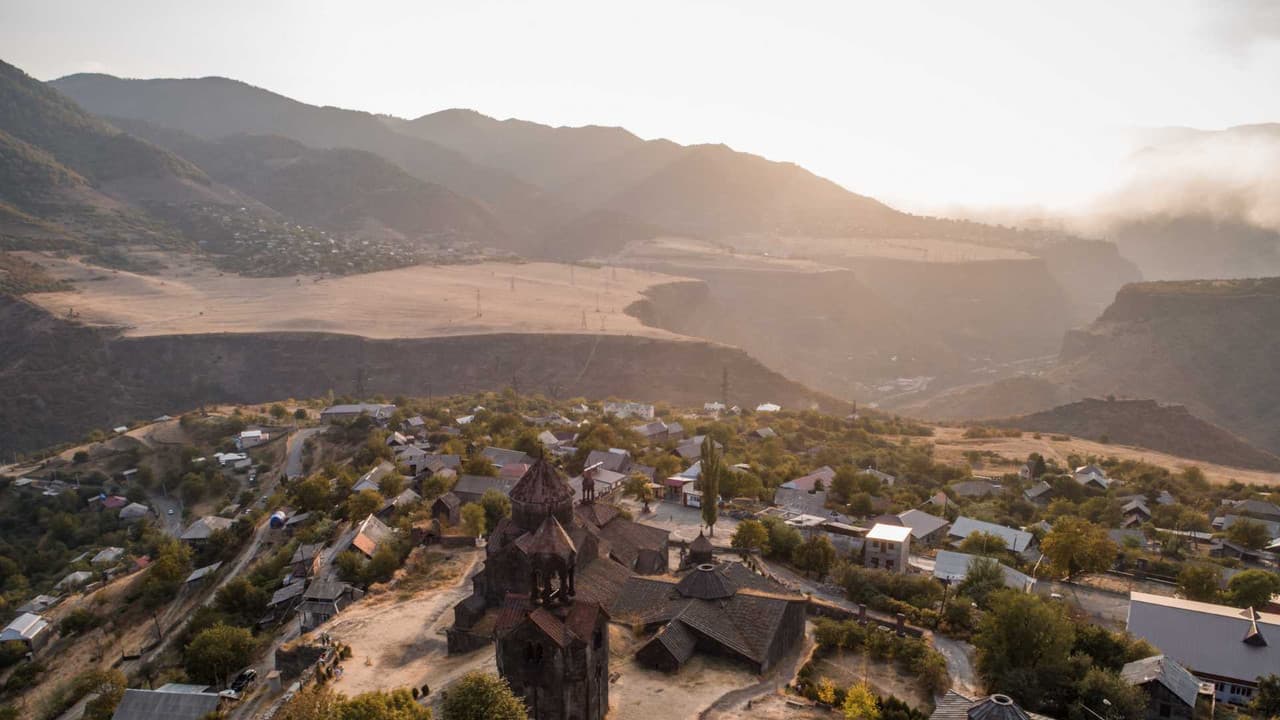
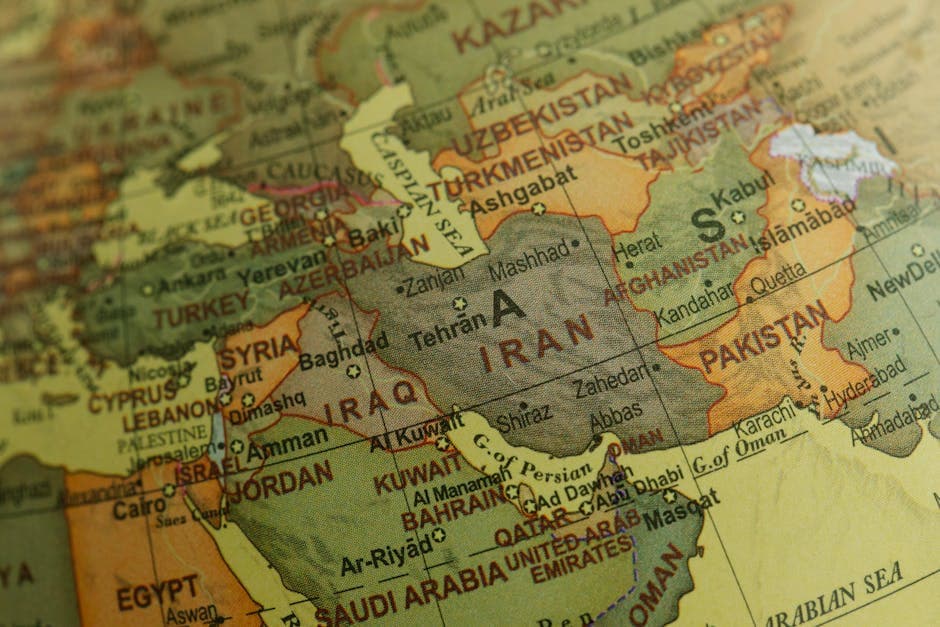
View our Employer of Record servicesArmenia is a unique country that sits between Europe and Asia in the South Caucasus. From Armenia, companies have access to the growing markets of Turkey, Russia, and the Middle East. Its position has established it as a crossroads, linking established and emerging markets.
In the last decade, Armenia has also established itself as a fast-growing technology hub in the Caucasus region. Investors in software development, artificial intelligence and UX design capitalize on Armenia’s experienced workforce and its support for tech startups. This combination of industry, natural resources, and a rapidly expanding technology ecosystem continues to strengthen Armenia’s economic position.
A significant portion of the Armenian workforce holds secondary and tertiary degrees (such as Bachelor's and Master’s degrees). This provides foreign companies with a deep talent pool of educated workers who have been exposed to European and Asian business practices.
Armenia has developed a strong reputation for having excellent software developers, AI specialists, cybersecurity and product development professionals. However, the cost of employing these experts is much less than in the US or Western Europe.
Entering the Armenian employment market to hire employees requires you to set up a local legal entity and hire employees according to Armenian labor regulations. This can be a challenge for first-time employers, especially those seeking to test the market and enter the economy quickly.
An Employer of Record (EOR) in Armenia, like Rivermate, provides a solution by enabling companies to hire employees legally without establishing a legal entity. The EOR acts as the legal employer on behalf of global companies, handling HR administration and compliance obligations.
How an Employer of Record (EOR) Works in Armenia
Partnering with an EOR provides a straightforward way to test new markets and rapidly scale once your business is established.
- You Find the Talent. You recruit and select the candidate you want to hire in Armenia.
- Legally Hire Employees. The EOR, as the legal employer, drafts a locally compliant employment contract and manages compliance risks.
- Onboard Employees. The EOR manages all the necessary paperwork for the new hire. This includes registering them for social security, taxes and mandatory contributions. Onboarding can be completed within 1-2 weeks.
- The EOR Manages HR. The EOR handles payroll administration, legal compliance and labor regulations. They also handle benefits management.
- You Manage Your Team. YYou direct your employee's daily tasks and responsibilities, just as you would any other team member.
Why use an Employer of Record in Armenia
An EOR in Armenia not only offers local HR expertise and hiring support but also serves as the vehicle for faster entry into the country’s economic system. For foreign companies, the benefits are as follows:
- Compliant Hiring. Armenian labor laws can be difficult to navigate for first-time employers. An EOR understands the local regulations to ensure you avoid legal issues.
- Save Time and Money. You avoid the costs and lengthy process of registering a local legal entity in Armenia.
- Focus on Growth. You can concentrate on your core business activities while the EOR handles employee onboarding and ensures consistent compliance management.
- Attract Top Talent. EORs can offer competitive benefits packages, helping you attract and retain the best employees in Armenia.
Responsibilities of an Employer of Record
As an Employer of Record in Armenia, Rivermate is responsible for:
- Creating and managing the employment contracts
- Running the monthly payroll
- Providing local and global benefits
- Ensuring 100% local compliance
- Providing local HR support
Responsibilities of the company that hires the employee
As the company that hires the employee through the Employer of Record, you are responsible for:
- Day-to-day management of the employee
- Work assignments
- Performance management
- Training and development
Employ top talent in Armenia through our Employer of Record service
Book a call with our EOR experts to learn more about how we can help you in Armenia







Book a call with our EOR experts to learn more about how we can help you in Armenia.
Trusted by more than 1300 companies around the globe


Hiring in Armenia
International companies set up operations mainly in Yerevan (the capital city). Recruitment in Armenia is increasingly digital, with employers using online job platforms, recruitment networks, and referral programs to attract top candidates.
Candidates require transparency regarding compensation, benefits, working conditions and career progression early in the recruitment process. Remote working arrangements have also become increasingly popular with professionals in Armenia, especially in the technology sector.
The labor market in Armenia is relatively flexible, and hiring cycles are shorter than in many European countries. However, employers recruiting skilled software engineers and technology specialists will encounter fierce competition from other companies (both local and international).
Employment costs in Armenia are lower than in Western Europe but on par with Eastern Europe and some Asian markets. Average salaries in Armenia range from $750 to $800 per month, but tech, mining, and some manufacturing industries pay significantly higher wages.
Expert insight: Foreign employers are sometimes surprised by how much mandatory benefits can increase the total employment costs in Armenia. It is not uncommon to pay up to 45% in mandatory and company-specific benefits.
Employment contracts & must-have clauses
Employment relationships in Armenia are governed by written rather than verbal agreements. Locally compliant contracts should be drafted in Armenian (the country’s official language), and sometimes requests will be made for Turkish, French, Russian or English copies of the contract. Compensation must be made in Armenian Dram.
There are two main types of employment contracts in Armenia:
- Indefinite-term contracts: These are the standard type of contract with no specified end date.
- Fixed-term contracts: These contracts are for a specific period and can only be used in certain situations, like for seasonal work or temporary projects.
Every employment contract must include the following clauses:
| Clause | Description |
|---|---|
| Parties' Information | Full legal names of the employer and employee. |
| Job Details | The employee's job title and a description of their duties. |
| Start Date | The official start date of the employment. |
| Work Location | The primary place where the employee will work. |
| Compensation | Details of the salary, including the amount and how often it will be paid. |
| Working Hours | The standard daily and weekly working hours. |
| Contract Duration | Whether the contract is for an indefinite or fixed term. |
Probation periods
You must include a probation period in an employment contract. The maximum length of a probation period is three months, and this cannot be extended. During this time, both you and the employee can terminate the contract with three days' written notice. It is important to note that you cannot use a probation period for employees under 18 years old.
Working hours & overtime
The standard work week in Armenia is 40 hours, with a maximum of 8 hours per day. Anything beyond these hours is considered overtime. The maximum amount of work, including overtime, cannot be more than 48 hours a week or 12 hours a day.
Overtime work must be paid at a higher rate. The law requires you to pay at least 150% of the employee's regular hourly wage for any overtime hours worked.
Public & regional holidays
Armenia has several official public holidays where employees are entitled to a paid day off.
Here is a list of the non-working public holidays in Armenia:
- New Year's Day: January 1-2
- Christmas Day: January 6
- Army Day: January 28
- International Women's Day: March 8
- Armenian Genocide Remembrance Day: April 24
- Labour Day: May 1
- Victory and Peace Day: May 9
- Republic Day: May 28
- Constitution Day: July 5
- Independence Day: September 21
- New Year's Eve: December 31
Hiring contractors in Armenia
In Armenia, hiring independent contractors is extremely popular, with around 30% of the workforce consisting of remote employees, self-employed individuals, and freelancers.
Under Armenian law, contractors are treated as B2B business partners rather than employees. The legal framework for establishing this relationship is the Civil Code of Armenia rather than the Labor Code.
Popular compensation structures for contractors include project-based, milestone-based and outcome-based payments. Armenian authorities focus on the compensation structure and the contractor's autonomy, rather than job titles. For example, if a freelance software developer receives a set monthly wage, benefits, and tools of trade from the company, they cannot be classified as a contractor.
Misclassification is taken seriously in Armenia because they have strong worker protections. Therefore, if a worker is found to be an employee instead of a contractor, the employer will be liable for back-dated social security, tax and mandatory benefits.
An Employer of Record (EOR) can help you mitigate the risk of misclassification by structuring international hiring in accordance with Armenian law.
Compensation and Payroll in Armenia
Employers in Armenia must comply with national minimum wage requirements, tax obligations and social security contributions when compensating employees. Salaries are paid monthly through bank account transfers, and employers are responsible for withholding and remitting applicable payroll deductions.
Compensation structures in Armenia vary by sector. Technology, engineering, and finance command the highest salaries, while the agricultural and tourism sectors pay lower salaries. Transparent salary discussions are preferred in Armenia. These discussions are often based on net take-home pay rather than gross salary.
Payroll cycles & wage structure
In Armenia, you pay your employees on a monthly cycle. The exact pay date is usually specified in the employment contract. Salaries can vary a lot depending on the industry, the employee's role, and their experience level. For example, the IT sector often offers more competitive salaries.
Beyond the basic salary, you might offer bonuses or allowances. These can be tied to performance or given for holidays.
Overtime & minimums
The standard work week in Armenia is 40 hours, with an eight-hour workday. If an employee works beyond these hours, you must pay them overtime. The overtime rate is 150% of their regular hourly pay. There are limits to overtime. Employees cannot work more than four extra hours in a day or eight in a week.
As of January 1, 2024, the minimum monthly wage in Armenia is 85,000 AMD. All employers must pay at least this amount for a full-time position.
Employer taxes and contributions
Employers in Armenia are not subject to separate payroll taxes. Instead, your main responsibility is to withhold taxes and contributions from your employees' gross salaries.
| Contribution | Rate | Notes |
|---|---|---|
| Corporate Income Tax | 18% | This is a tax on the company's profits, not a direct payroll tax. |
Employee taxes and deductions
Employees in Armenia have several deductions taken from their gross salary. This includes a flat income tax, social security contributions, and a military stamp duty.
| Deduction | Rate | Notes |
|---|---|---|
| Income Tax | 20% | A flat rate on all employment income. |
| Social Security Contribution | 5% to 10% | For employees born on or after January 1, 1974. The rate is 5% for monthly salaries up to 500,000 AMD and 10% (minus 25,000 AMD) for salaries above 500,000 AMD. |
| Military Stamp Duty | Fixed Amount | This is a fixed fee that varies based on the employee's gross salary. The amount ranges from 1,500 AMD to 15,000 AMD. |
How an Employer of Record, like Rivermate can help with payroll taxes and compliance in Armenia
An Employer of Record (EOR) manages monthly payroll calculations, employer contributions, and tax filings in-country on your behalf. Rivermate handles registrations, payslips, statutory reporting, and remittances to authorities so you stay compliant with local rules and deadlines—without setting up a local entity. Our specialists monitor regulatory changes and ensure correct rates, thresholds, and caps are applied to every payroll cycle.
Benefits and Leave in Armenia
In Armenia, employers can expect to pay both statutory and supplemental benefits. Supplemental benefits include private healthcare, flexible work arrangements, meal allowances, and performance-based incentives.
Remote work allowances and professional development support have become popular in Armenia in recent years. These allowances give international employers a competitive advantage in a rapidly developing labor market.
Statutory leave
Armenian law provides several types of leave for employees.
- Annual Leave Employees who work a five-day week get at least 20 working days of paid annual leave. If they work a six-day week, they get 24 days. An employee can take their full annual leave after working for six continuous months.
- Sick Leave Employees can take up to 120 consecutive days of sick leave. They can take a maximum of 140 days in a 12-month period. You must pay 100% of the employee's average monthly earnings for the first five days. After that, social security covers the pay.
- Maternity Leave Mothers get 140 days of paid maternity leave. This is typically 70 days before the birth and 70 days after. In case of complications, this extends to 155 days. For multiple births, it's 180 days.
- Paternity Leave Fathers can take five days of paid leave. They must use this within 30 days of the child's birth.
- Adoption Leave Parents who adopt a newborn get paid leave until the baby is 70 days old. If they adopt twins or more, the leave extends to 110 days.
Public holidays & regional holidays
Armenia has several national public holidays. Employees get paid time off for these days.
| Holiday | Date |
|---|---|
| New Year's Day | January 1 & 2 |
| Orthodox Christmas | January 6 |
| Army Day | January 28 |
| International Women's Day | March 8 |
| Orthodox Easter | Varies |
| Armenian Genocide Remembrance Day | April 24 |
| Labour Day | May 1 |
| Victory and Peace Day | May 9 |
| Republic Day | May 28 |
| Constitution Day | July 5 |
| Independence Day | September 21 |
| New Year's Eve | December 31 |
Typical supplemental benefits
Beyond the legal requirements, many companies offer extra benefits to stay competitive.
| Statutory Benefits | Non-Statutory (Supplemental) Benefits |
|---|---|
| Pension contributions | Private health insurance |
| Paid annual leave | Bonuses |
| Paid sick leave | Transportation allowances |
| Paid maternity and paternity leave | Meal vouchers or subsidies |
| Public holiday leave | Additional paid time off |
| --- | Training and development opportunities |
| --- | Mobile phone allowances |
How an EOR can help with setting up benefits
Setting up a benefits plan in a new country can be complex. An Employer of Record (EOR) simplifies this process for you.
An EOR already has a legal entity in Armenia. This means you don't have to spend months setting one up yourself. They handle all the administrative work of managing benefits and payroll. This ensures you comply with all local labor laws.
An EOR can also help you create a competitive benefits package. They understand the local market and can advise on what supplemental benefits will attract top talent in Armenia. This allows you to focus on running your business while the EOR takes care of the details.
How an Employer of Record, like Rivermate can help with local benefits in Armenia
Rivermate provides compliant, locally competitive benefits—such as health insurance, pension, and statutory coverages—integrated into one EOR platform. We administer enrollments, manage renewals, and ensure contributions and withholdings meet country requirements so your team receives the right benefits without added overhead.
Termination and Offboarding in Armenia
Termination in Armenia must be handled in accordance with local employment regulations. Employers need a legally recognized basis for termination, such as performance, operational or economic reasons.
Notice requirements and procedural obligations vary depending on the reason for the termination. Employers should ensure that performance, disciplinary or restructuring issues are properly documented.
The offboarding process should address final compensation payments, accrued leave payments, and outstanding employer obligations (including visa and work permits).
Notice periods
You must give employees written notice before termination. The length of the notice period depends on how long the employee has worked for your company.
| Length of Service | Notice Period |
|---|---|
| Less than 1 year | 14 days |
| 1 to 5 years | 35 days |
| 5 to 10 years | 42 days |
| More than 10 years | 60 days |
Source: Papaya Global
In some cases, like a mass dismissal, you need to notify the State Employment Service and employee representatives two months in advance. If you prefer, you can pay an employee in lieu of notice, which means their employment ends immediately, and you pay them for the notice period they would have worked.
Severance pay
Whether an employee receives severance pay depends on the reason for their termination. For example, if the termination is due to company liquidation or a reduction in staff, the employee is entitled to severance. The amount is based on their length of service. In cases of redundancy, an employee may receive one month's severance pay.
How Rivermate handles compliant exits
When you partner with an Employer of Record like Rivermate, we manage the entire offboarding process for you. We make sure that every termination complies with Armenian labor law. Our team handles the necessary paperwork, calculates the correct notice period and any severance pay owed, and ensures all final payments are made on time. We guide you through each step to minimize legal risks and ensure a smooth and respectful exit for your employee.
Visa and work permits in Armenia
Armenia has implemented policies to attract foreign investment, entrepreneurship, and skilled professionals, but in every case, the employer must sponsor the employee. The country has implemented a digital system that makes it easier for employers to manage visa and work permit requirements.
Obtaining the necessary work authorization before employment begins is essential in Armenia.
Employment visas & sponsorship realities
An Employer of Record can sponsor work permits for foreign employees in Armenia. This is a practical way to hire in the country without setting up your own local company. The EOR acts as the legal employer and manages all the necessary paperwork for work authorization.
Here are the key realities of visa and sponsorship in Armenia:
- No Quotas: Armenia does not currently have quotas for foreign workers. This makes the process more predictable.
- Labor Market Test: Before hiring a foreign national, the employer must show that no qualified Armenian citizens are available for the job. The Ministry of Labor and Social Affairs oversees this test.
- Exemptions: Some foreign workers may not need a work permit. This includes highly skilled specialists, business owners, and executives.
- Unified Permit: The work permit and temporary residence permit are part of a single process, which simplifies things.
An EOR can help you navigate these requirements. They handle the application process, making sure everything is compliant with Armenian law. This allows you to focus on your business goals.
Business travel compliance
For short-term business trips, many foreign nationals can enter Armenia without a visa for up to 180 days per year. However, it is important to understand what you can and cannot do during these visits.
Business travel is for activities that do not count as work. You are generally not allowed to earn money from an Armenian source during your trip.
Permitted activities for business visitors:
- Attending meetings and conferences
- Engaging in negotiations
- Exploring business opportunities
- Conducting site visits
- Purchasing goods or services
Activities that require a work permit:
- Any form of employment with a local company
- Receiving a salary from an Armenian entity
- Engaging in hands-on project work that goes beyond meetings
If your plans in Armenia involve more than the permitted business activities, you will need to get a work permit. Always check the latest regulations to ensure you are compliant.
How an Employer of Record, like Rivermate can help with work permits in Armenia
Navigating work permits can be complex and time‑sensitive. Rivermate coordinates the entire process end‑to‑end: determining the right visa category, preparing employer and employee documentation, liaising with local authorities, and ensuring full compliance with country‑specific rules. Our in‑country experts accelerate timelines, minimize refusals, and keep you updated on each milestone so your hire can start on time—legally and confidently.
Frequently asked questions about EOR in Armenia
Written by

Lucas Botzen
Lucas Botzen is the Founder of Rivermate, a global employment platform that helps companies hire, employ, and manage talent internationally. Since founding Rivermate in December 2020, he has focused on building practical solutions that simplify international payroll, benefits, taxes, contracts, and employment compliance for remote teams. Before Rivermate, Lucas co-founded and co-directed Boloo, an e-learning and software company that helped entrepreneurs start and grow e-commerce businesses. He scaled Boloo to more than €2 million in annual revenue before successfully exiting the business in 2020. Lucas holds a Bachelor’s degree in Business Innovation from Avans University of Applied Sciences. His background in entrepreneurship, technology, automation, and remote work continues to shape his approach to making global employment simpler and more human.
View profile