


Remote Work and Productivity
10 Benefits of Hiring Remote Workers in 2026
Discover the top benefits of hiring remote workers, from cost savings to productivity boosts. Learn why remote teams are the future of work.
Lucas Botzen
Employee Benefits and Well Being
5 mins read


Our Employer of Record (EOR) solution makes it easy to hire, pay, and manage global employees.
Book a demoEmployee benefits are a core part of the employment experience in Brazil—and a major reason many professionals consider working in Brazil. Beyond salary, benefits add stability, protect wellbeing, and show employees that their employer is invested in them for the long term.
In this guide, we’ll cover the main types of employee benefits in Brazil, the advantages and disadvantages for employers, and how the benefits landscape is evolving.
Employee benefits are an essential part of any job in Brazil. They provide employees with a sense of security and stability, as well as reassurance that their employer is looking out for them. Below are the most common benefit types and why they matter.
Health care coverage is one of the most valued benefits offered by employers in Brazil. It helps employees access medical services such as doctor visits, hospital care, prescription drugs, and preventive care like screenings or vaccinations—often at no cost or at a reduced cost compared to paying out of pocket. For many workers, this benefit provides peace of mind and reduces the financial risk of unexpected medical bills or long-term treatment needs.
Vacation time is another widely recognized benefit in Brazil. Time away from work gives employees the chance to rest, reset, and return more energized. In many workplaces, vacation allowances are influenced by tenure and the terms of the employment agreement, including whether the role is full-time or part-time. Some employers may also allow unpaid leave once certain conditions are met, though policies differ and extended time away should always be managed carefully to avoid workplace issues.
Retirement plans are another common benefit offered by Brazilian employers. These plans are designed to support employees’ long-term financial security, often through structured contributions and tax-related incentives tied to savings. Contribution levels and eligibility may vary depending on the employee’s salary level and the specific plan offered. In many cases, retirement planning benefits also give employees more control over how they allocate savings for the future.
Overall, understanding what’s typically included in a benefits package is important for anyone working in Brazil. Whether you’re assessing a job offer or building a compliant benefits plan, clarity on healthcare, vacation, and retirement support helps you make better decisions for both immediate and long-term wellbeing.
Employee benefits can play a major role in how companies hire, retain, and support talent in Brazil. While the upside can be significant, benefits also come with costs and administrative responsibilities that employers need to consider.
One of the clearest advantages of offering employee benefits is the ability to attract and retain top talent. In a competitive labor market, benefits such as health coverage, paid time off, and retirement support can influence whether candidates accept an offer—and whether employees stay over time.
Benefits can also strengthen morale and improve productivity. Employees who feel supported tend to be more engaged at work, and coverage such as life or health insurance can provide reassurance that they will be protected if something unexpected happens.
The most common challenge is cost. Many benefit plans require ongoing payments, and the total expense can increase as headcount grows. In addition to premiums or contributions, employers often face administrative burdens from managing enrollments, policy updates, and paperwork & documentation.
There is also the reality of compliance risk. If regulations change or new requirements are introduced, companies may need to update policies quickly to stay compliant, which can create additional complexity and expense.
Even with these drawbacks, benefits remain a key part of employee welfare in Brazil, supporting fair treatment and helping employers build stronger, more stable teams.
In recent years, Brazil has continued to introduce changes that affect employee benefits and workplace protections. These updates are often framed around improving labor conditions and ensuring employees receive fair treatment.
One notable area of focus has been time-off rules. Changes in this space have encouraged clearer standards and stronger expectations around paid leave, which many employees value because it supports rest without sacrificing income.
Brazil has also placed increased attention on family-related protections, including paid leave structures tied to childbirth and adoption. These measures can offer greater security to employees during major life events and help employers create more supportive working environments.
More broadly, these changes reflect a growing emphasis on strengthening worker protections and improving benefit access, with employers expected to stay attentive to compliance and policy updates over time.
The future of employee benefits in Brazil is likely to be shaped by a combination of regulation, changing employee expectations, and better technology. As the workforce becomes more flexible and benefit costs continue to rise, companies will need to balance compliance with competitiveness.
In the years ahead, employers may see increased scrutiny around areas like minimum standards, time off, and other labor protections. At the same time, there is growing interest in non-traditional benefits, such as flexible work arrangements and remote work options, especially for employees who need them due to health or personal circumstances.
Healthcare benefits will likely remain central. As medical costs rise, employers will need to evaluate which types of coverage best match their workforce needs while staying within budget. Companies that fail to offer competitive health coverage may struggle to retain employees, particularly in industries where talent competition is intense.
Technology will also play a bigger role in benefits management. Tools that support automation can simplify administration, reduce manual errors, and give HR teams clearer oversight of benefit programs.
Employee benefits in Brazil will continue to be a cornerstone of workplace stability. For employers, the priority will be staying compliant while offering packages that employees value. For employees, understanding what is included—and how benefits may evolve—will remain essential to making confident career decisions while working in Brazil.

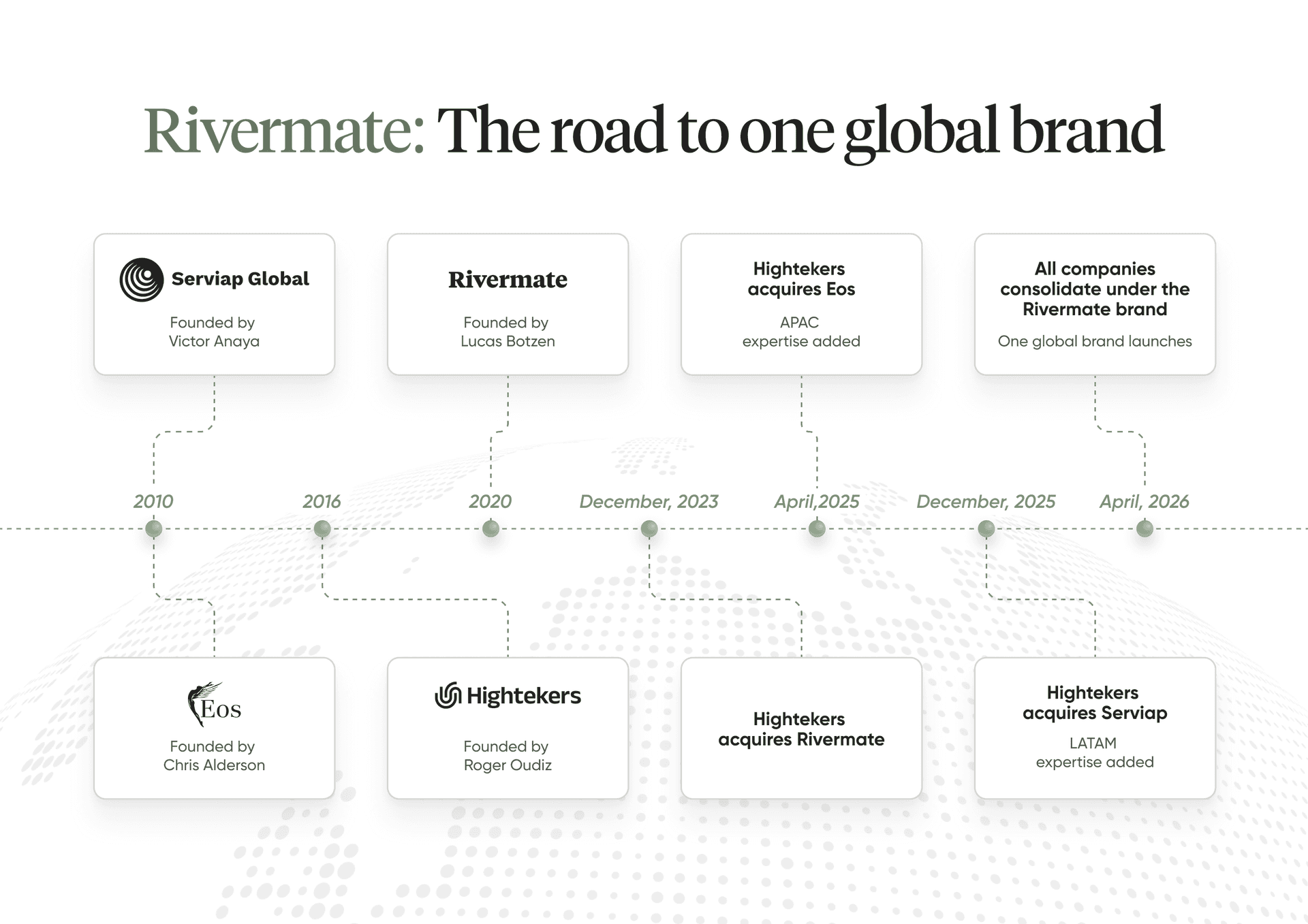
Lucas Botzen is the founder of Rivermate, a global HR platform specializing in international payroll, compliance, and benefits management for remote companies. He previously co-founded and successfully exited Boloo, scaling it to over €2 million in annual revenue. Lucas is passionate about technology, automation, and remote work, advocating for innovative digital solutions that streamline global employment.


Our Employer of Record (EOR) solution makes it easy to hire, pay, and manage global employees.
Book a demo
Remote Work and Productivity
Discover the top benefits of hiring remote workers, from cost savings to productivity boosts. Learn why remote teams are the future of work.
Lucas Botzen

Remote Work and Productivity
Terminating a remote employee requires careful planning. You want to ensure professionalism, legal compliance, and a smooth transition. Clear communication and a structured process help maintain respect and minimize disruptions. - Plan ahead by reviewing legal requirements and preparing an offboarding strategy. - Use video calls for termination meetings to ensure professionalism and empathy. - Support remaining team members by addressing concerns and redistributing workloads. Failing to handle remote terminations correctly can lead to legal risks, damaged morale, and reputational harm. A well-executed process protects your company and ensures a respectful exit for the employee.
Lucas Botzen

Global Workforce Management
Discover the key differences between an Employer of Record and a Common Law Employer to make informed decisions for your business.
Lucas Botzen