






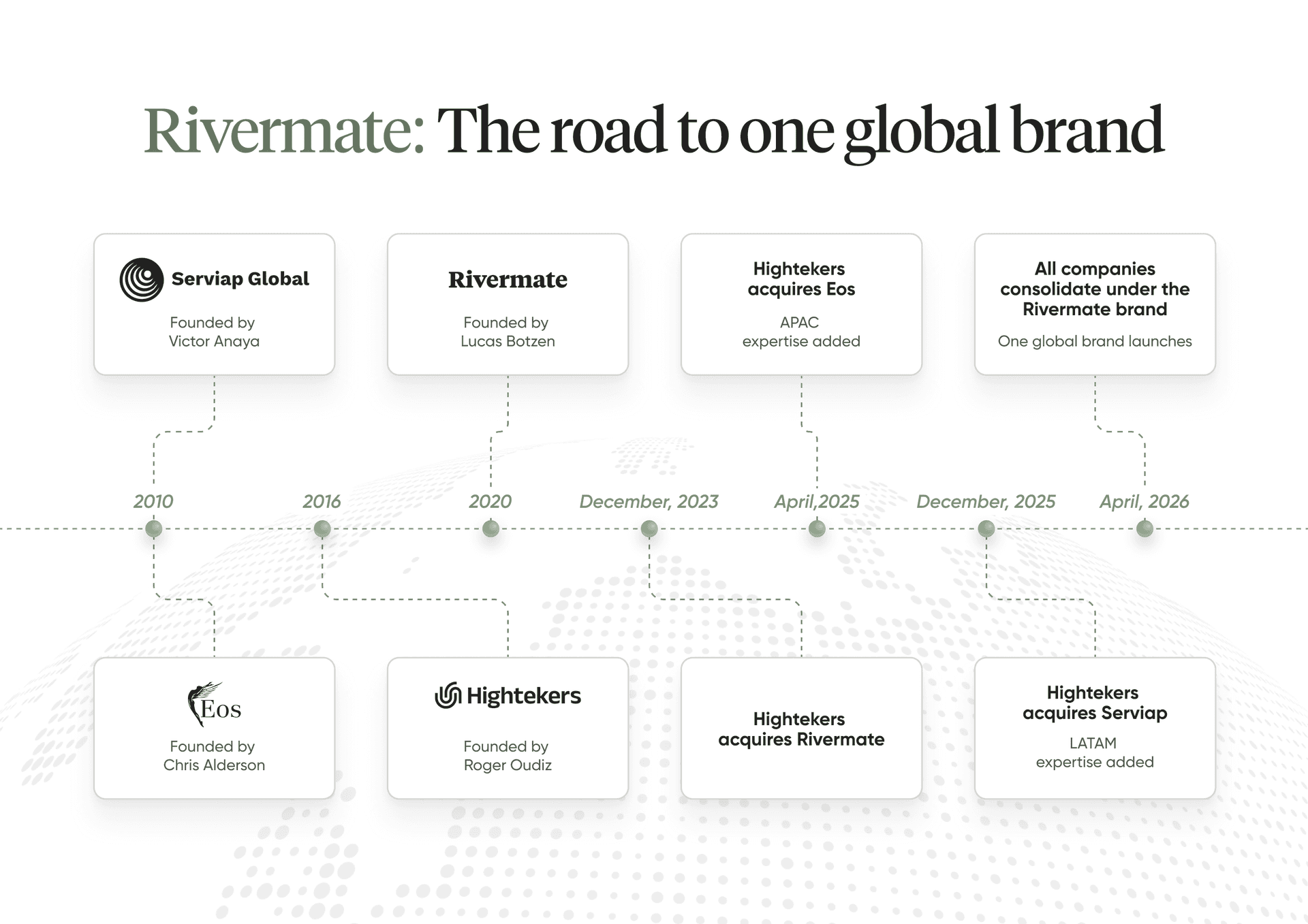
Big newsEos, Serviap, and Hightekers EOR are now Rivermate.Read more
Rivermate logo

Global Employment Guides

9 mins read

Relocation Policy Best Practices: A Guide for Global Employers

Published on:

Jul 31, 2026

Updated on:

Jul 31, 2026

Rivermate | Relocation Policy Best Practices: A Guide for Global Employers

Asking someone to move for work is asking for more than logistics. It might be a promotion, an internal transfer, or a new hire crossing a border before they've even met the team in person. However it starts, the experience shapes how that person feels about the organization from day one.

A clear employee relocation policy turns that moment into something structured instead of improvised, keeping relocation costs predictable for the business while treating employees and their families fairly, no matter who initiated the move.

This guide covers relocation policy best practices: where most companies get the relocation process wrong, and how to save costs without shortchanging the employee experience. It doesn't have to be complicated, but it does have to be written down before the offer goes out.

Key takeaway

A good relocation policy does a few things at once: it spells out who's eligible, lists exactly which relocation benefits and relocation expenses are covered, from temporary housing to household goods shipping, and sets realistic limits before the first moving truck gets booked.

It also builds in flexibility, often through a tiered approach based on an employee's seniority and other factors, so a lump sum payment makes sense for an entry level hire relocating within one location, while a fuller relocation package fits a senior leader moving abroad.

What is a relocation policy?

Strip away the legal language and a relocation policy is simply the document that says how a company supports someone who's relocating, whether that's a new or current employee taking a role in a different city or another country.

Case-by-case negotiation sounds flexible, but in practice it usually means inconsistent outcomes, so both the company and the employee benefit from agreeing on expectations before an offer is signed. Some call it a company's relocation policy, others a corporate relocation policy, but it's the same document either way. It draws a line between domestic relocation and international relocation, since immigration, tax, and local employment laws add real complexity beyond a simple work location change.

Why every growing business needs one

Companies without a formal policy tend to improvise: one employee gets a lump sum amount, another gets a fully managed move, and there's rarely a clear reason why. That inconsistency wears down trust and, over time, employee satisfaction.

It also complicates budgeting, since relocation costs become one-off negotiations instead of a predictable line item tied to business objectives. SHRM research on worker mobility found that most employees already have access to well-paying jobs close to home, so a company asking someone to move abroad needs to make it worth their while, through real financial assistance, relocation support, and honesty about the cost of living. Domestic relocation policies and international ones both benefit from being written down instead of improvised.

Core elements every relocation policy should include

Eligibility and tiers

Who actually qualifies? Usually it's new hires, internal employees changing locations, or existing employees taking on a temporary international assignment. Most companies build tiered policies, offering lighter support for entry-level hires and more comprehensive packages for senior leaders or roles that are hard to fill, scaled to an employee's seniority and how much moving employees actually matters to the business. It's less about treating people unequally and more about not giving a junior hire's cross-town move the same package as a VP relocating a family overseas.

Relocation benefits

The list is fairly standard: moving expenses, temporary housing for the first few weeks in a new location, travel costs, and household goods shipping. International moves often add visa support, help selling the employee's home, and destination services such as school search or local orientation, all part of what's sometimes called a global mobility package.

Few in-house HR teams can manage all of that alone, which is why many lean on relocation consultants or relocation services for hands-on relocation assistance.

Lump sum or managed benefits

Some companies keep it simple: a lump sum, a single relocation payment the employee manages independently, which is easier to administer and generally better for cost containment. Others prefer a fully managed structure, or something in between, a core flex model that pairs a baseline package with optional add-ons the employee can choose from.

Picture two people relocating in the same quarter, one moving across the state and one moving abroad with a family: the same flat amount won't stretch the same way for both.

That's usually where a lump sum payment stops being the more cost effective choice, at least for anything beyond a short, domestic move, while a managed or core flex approach tends to serve international relocations and family moves better, since more can go wrong.

Tax and compliance considerations

Tax implications here trip people up more than they should. In the United States, the Tax Cuts and Jobs Act suspended the tax exclusion for employer-paid moving expenses, and that suspension became permanent in 2025, so nearly all relocation reimbursements now count as taxable income unless the employer offers tax assistance through a gross-up payment.

Outside the US, employment laws and the tax treatment of relocation benefits vary widely by country, which is exactly where international relocations get expensive if nobody has budgeted for the additional costs ahead of time.

Timelines and responsibilities

The policy should also spell out timelines: how long an employee has to complete the move, when reimbursements are processed, and how it handles policy exceptions, since something always comes up, a delayed home sale, a visa that takes longer than expected, or a timeline slipping outside the employee's control. Clear communication about these responsibilities, ideally before an offer is accepted, heads off most disputes before they start.

Habits that strengthen a relocation policy

Not every policy that looks thorough on paper actually works well in practice. A few habits separate the ones that do. Keep the language plain, since a relocation policy written like a legal filing tends to get skimmed, not read. Standardize what you can, but leave room to bend, because no policy anticipates every family's situation.

Company culture matters here too, more than people often expect: a policy that ignores employee well being, whether that's support for a partner's job search or help settling into a new location, tends to turn into a regretted hire a year later.

It's worth reviewing the policy against industry standards and industry best practices about once a year, since relocation costs and immigration rules shift faster than most HR calendars assume. A growing number of relocation consultants have also started using artificial intelligence to benchmark relocation packages by role and destination, which is worth watching even if a company isn't ready to adopt it yet.

Common relocation policy mistakes to avoid

The most common mistake is setting an unrealistic budget, usually because nobody accounted for temporary housing, storage, or the high cost of an expensive destination city, which forces awkward renegotiation later.

Make the policy too rigid, on the other hand, and it can't flex for a partner's visa situation, a pet, or a home sale that falls through at the last minute.

The third mistake is overlooking compliance risk on international relocations, where a policy built around one country's employment laws simply doesn't translate to another country's rules. And the fourth is poor communication: employees who don't understand what's covered tend to assume the company will pay for anything, which rarely matches what companies offer employees in practice. None of these mistakes looks dramatic on its own, but together they add up fast.

How Employer of Record services simplify international relocation

For a company without a legal entity in the destination country, international relocation raises one practical problem: someone still has to legally employ that person once they land. This is where an Employer of Record becomes useful.

An EOR such as Rivermate becomes the legal employer in the new country, handling local payroll, statutory benefits, and employment law compliance, while the employee keeps working for the hiring company day to day.

It doesn't replace a relocation policy, which still governs benefits and logistics, but it removes the legal and tax burden of employing someone where the business has no infrastructure of its own. Paired with a clear view of international employment compliance risks and a documented approach to fringe benefits, an EOR gives HR teams one less unknown to manage.

Conclusion

No relocation policy removes every surprise from a move; people's situations vary too much for that. But a clear, well-communicated policy built on real relocation policy best practices comes close. It protects the budget, treats employees and their families consistently, and turns what could be a stressful life event into a reason someone stays with the company for years, not months.

If relocating employees internationally without opening a local entity first sounds useful, that's exactly what Rivermate's Employer of Record services are built for.

FAQs

What should be included in a relocation policy?

A relocation policy outlines eligibility, covered relocation benefits, reimbursement rules, employee responsibilities, and what happens if someone leaves shortly after moving. It should also cover timelines and compliance considerations for international relocations.

How often should a relocation policy be updated?

Most companies review their relocation policy about once a year, or sooner if tax rules, immigration requirements, or the cost of living in key destination cities shift enough to matter.

What is the difference between a domestic and an international relocation policy?

Mostly immigration, tax, and local employment law. An international relocation policy has to account for all of that, while a domestic relocation policy can focus mainly on moving logistics and reimbursement.

How can an Employer of Record help with employee relocation?

An Employer of Record becomes the legal employer of the relocated worker in the new country, handling payroll, tax, and compliance there, which lets a company relocate someone internationally without setting up its own legal entity first.

Social Share:

Rivermate | background
Karl van der Weert

Head of Account Management

Karl leads the Customer Success team at Rivermate, overseeing all existing client relationships with a focus on delivering a smooth and highly personal EOR experience. Over the past two years, he has managed onboarding, payroll, and ongoing support, working closely with clients to resolve issues quickly and transparently. He coordinates with internal teams and local partners to ensure compliant, efficient EOR solutions, while identifying opportunities to support client growth. His role combines hands-on problem solving with strategic account management, with the goal of building strong, long-term client partnerships.

Rivermate | background
Team member

Hire your global team with confidence

Our Employer of Record (EOR) solution makes it easy to hire, pay, and manage global employees.

Book a demo