



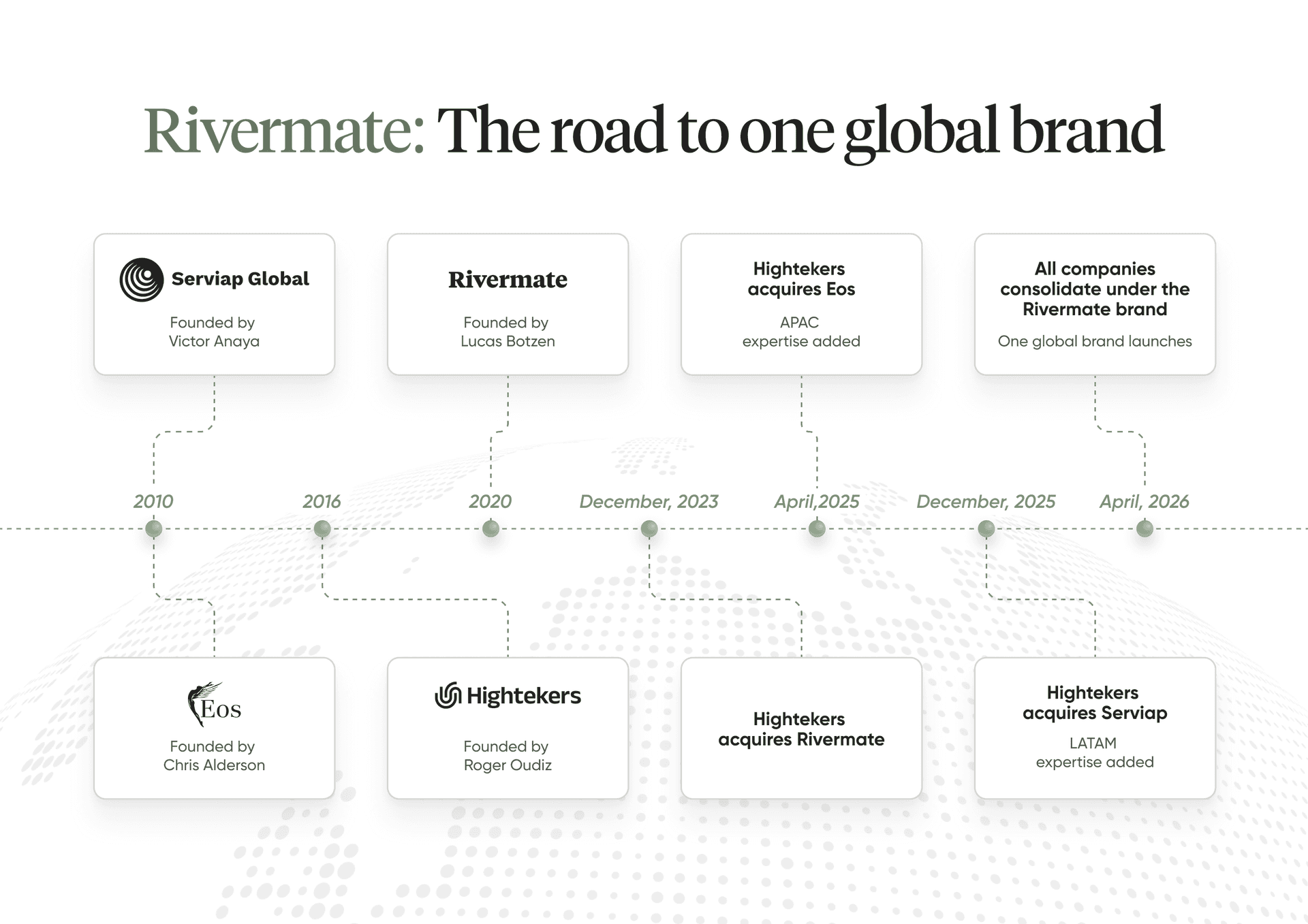
Big newsEos, Serviap, and Hightekers EOR are now Rivermate.Read more
Rivermate logo

Taxation and Compliance

10 mins read

Comprehensive Guide to Brazil's Payroll Taxation System (2026 Update)

Published on:

Apr 18, 2024

Updated on:

Jun 8, 2026

Rivermate | Comprehensive Guide to Brazil's Payroll Taxation System (2026 Update)

Brazil has one of the most complex payroll tax systems in Latin America, requiring employers to manage multiple taxes, social contributions, and reporting obligations on behalf of their employees. Understanding these requirements is essential for businesses hiring in Brazil, as payroll tax compliance directly affects employment costs, employee compensation, and regulatory risk.

Brazilian payroll taxes are shared between employers and employees and help fund pensions, healthcare, unemployment assistance, worker protection programs, and other social benefits.

Employers must calculate payroll taxes accurately, withhold the appropriate amounts from employee wages, make required employer contributions, and submit payroll information through government reporting systems such as eSocial.

This guide explains the key components of Brazil's payroll taxes, including:

  • Employer payroll tax rates and mandatory contributions
  • Employee deductions, including INSS and IRRF
  • FGTS, PIS/PASEP, and other payroll-related obligations
  • Payroll reporting requirements through eSocial
  • Practical payroll compliance tips for employers operating in Brazil

Tax rates for employers in Brazil

Employer payroll costs in Brazil generally include both employer-paid contributions and taxes withheld from employee wages.

Payroll item Who pays Typical rate
Employer INSS Employer Usually 20% of payroll
Employee INSS Employee 7.5%–14%
IRRF Employee, withheld by the employer 0%–27.5%
FGTS Employer 8%, or 2% for apprentices
PIS/PASEP Employer/company obligation Varies by regime

Employee INSS contributions are calculated using progressive rates ranging from 7.5% to 14%, while IRRF follows progressive income tax rates ranging from 7.5% to 27.5%, depending on the employee's taxable income. Employers should review the latest contribution tables published by the Brazilian government, as thresholds and contribution amounts may be updated periodically.

On the employer side, companies are generally responsible for social security contributions, FGTS deposits, and other payroll-related charges. Employers are generally responsible for a social security contribution of 20% of payroll, although additional payroll charges may apply depending on the employer's industry, tax regime, and regulatory obligations. FGTS is generally deposited by the employer at 8% of salary for CLT employees, with a reduced 2% rate applying to apprentices.

Social Security contributions in Brazil

One of the most important components of Brazil's payroll taxes is the National Social Security Institute (INSS). INSS is Brazil's social security system and helps fund a range of public benefits, including retirement pensions, disability benefits, sickness benefits, maternity leave payments, and survivor benefits for eligible workers and their families.

INSS contributions are shared between employers and employees. Employees contribute through payroll deductions, with contribution rates generally applied on a progressive basis according to income levels. Employers also make separate contributions on top of employee salaries, making social security one of the most significant payroll-related costs associated with hiring in Brazil.

Employers are responsible for calculating employee contributions, withholding the appropriate amounts through payroll, and remitting both employee and employer contributions to the relevant authorities. The exact employer cost can vary depending on factors such as the company's industry, tax regime, and workforce structure.

Employers should review current contribution rates and thresholds regularly to ensure payroll calculations remain accurate and compliant with applicable regulations.

Labor taxes in Brazil

One of the most significant employer obligations is withholding income tax through the Income Tax Withholding (IRRF) system, which requires employers to deduct tax directly from employee earnings before wages are paid.

IRRF operates under a progressive tax system, meaning the applicable tax rate increases as an employee's taxable income rises. As a result, employees with higher earnings generally pay a higher percentage of income tax than lower-income workers. The exact amount withheld depends on factors such as income level, eligible deductions, and current tax regulations.

Employers are responsible for calculating and remitting Income Tax Withholding (IRRF) on behalf of employees. These withheld taxes are deducted directly from employee earnings before wages are paid and submitted to the relevant authorities through the payroll process. The amount withheld depends on factors such as taxable income, available deductions, and the applicable tax brackets in force during the tax year.

Although IRRF is deducted at source, employees may still be required to file annual income tax returns depending on their income level and personal circumstances. Filing requirements can vary, and employees may be eligible to claim deductions for certain expenses, dependents, or other qualifying items when completing their annual tax declarations.

In addition to IRRF, employers may be subject to other labor-related taxes and contributions depending on their industry, workforce structure, and applicable regulations.

Other payroll taxes & fees employers must consider

Beyond Social Security contributions and income tax withholding obligations, employers in Brazil must also account for several additional payroll-related contributions that form part of the overall cost of employment. Two of the most important are FGTS and PIS/PASEP contributions.

FGTS contributions

The Fundo de Garantia do Tempo de Serviço (FGTS), often referred to as the Employees Severance Indemnity Fund, is a mandatory employment benefit designed to provide financial protection to workers in specific circumstances, including dismissal without cause, retirement, and certain emergencies.

Employers are responsible for making regular FGTS contributions on behalf of eligible employees and depositing these funds into individual employee accounts administered by the government. Unlike income tax withholding, FGTS contributions are generally funded by the employer and form an additional employment cost beyond an employee's salary.

PIS/PASEP contributions

PIS (Programa de Integração Social) and PASEP (Programa de Formação do Patrimônio do Servidor Público) are social programs designed to support workers and fund employment-related benefits.

Contributions to these programs help finance initiatives such as salary bonuses, unemployment assistance, and other worker support programs. While eligibility requirements vary depending on the specific benefit, these programs form an important part of Brazil's broader social protection framework.

Employers are responsible for understanding whether PIS/PASEP obligations apply to their workforce, calculating any required contributions, and ensuring payments are made in accordance with applicable regulations.

Employee tax obligations in Brazil

In addition to payroll deductions made throughout the year, some employees may be required to file an annual income tax return depending on their income level and personal circumstances. Annual filings allow employees to report their total income, verify taxes withheld through payroll, and claim any deductions or credits for which they may be eligible.

Employees should also be aware of how payroll deductions affect their take-home pay. Common payroll deductions may include social security contributions (INSS) and income tax withholding (IRRF), both of which are generally calculated and withheld by the employer through the payroll process.

Because Brazil uses a progressive tax system, the amount withheld can vary depending on income level and other personal circumstances. Employees should review their payslips regularly to verify that deductions have been calculated correctly and that employer-provided information accurately reflects their earnings and contributions.

Understanding these deductions can also help employees better assess their eligibility for social security benefits, tax deductions, and other employment-related entitlements available under Brazilian law.

Brazilian tax rules may allow certain deductions that reduce an employee's taxable income. Common examples can include qualifying dependent allowances, eligible medical expenses, education-related expenses, and other deductions permitted under applicable tax regulations. These deductions can help lower an individual's overall tax liability when filing an annual return.

Because filing requirements and available deductions may change over time, employees should review current guidance from the relevant tax authorities or seek professional advice if they are uncertain about their reporting obligations. Maintaining accurate records of income, expenses, and supporting documentation throughout the year can also help simplify the annual filing process and ensure compliance with Brazilian tax requirements.

Reporting and compliance requirements in Brazil

Brazil has modernized many of its payroll and labor reporting requirements through eSocial, a government-managed digital platform designed to centralize employment, payroll, social security, and tax reporting. The system was introduced to simplify compliance, improve data accuracy, and reduce the administrative burden associated with submitting information to multiple government agencies.

Through eSocial, employers are required to submit payroll, employment, tax, and social security information electronically. The platform allows authorities to receive employment-related data in a standardized format while helping businesses maintain more consistent reporting practices.

While eSocial has increased reporting requirements in some areas, it has also streamlined the overall compliance process by reducing paperwork and consolidating reporting obligations into a single digital environment. As a result, employers operating in Brazil should ensure their payroll systems and internal processes are capable of supporting eSocial reporting requirements.

Beyond eSocial, employers must also meet ongoing reporting, recordkeeping, and payroll compliance obligations.

Monthly reporting obligations

In addition to eSocial reporting requirements, employers are responsible for ensuring payroll taxes, social security contributions, and other mandatory payroll obligations are calculated, reported, and paid within the applicable deadlines.

Annual reporting obligations

Employers may also be required to maintain payroll records and submit annual employment and tax-related information as required by Brazilian regulations. These records typically include details relating to employee compensation, payroll deductions, tax withholdings, and employer contributions. Maintaining accurate documentation throughout the year can simplify reporting processes and support compliance during audits or regulatory reviews.

Recordkeeping and payroll documentation

Accurate recordkeeping is a critical part of payroll tax compliance in Brazil. Employers should maintain detailed records of employee contracts, compensation, tax withholdings, social security contributions, benefits, and payroll filings. Well-organized documentation can help demonstrate compliance, support internal audits, and reduce administrative challenges if questions arise from employees or regulatory authorities.

Because local regulations and reporting requirements can evolve over time, employers should regularly review compliance procedures and ensure payroll systems reflect current obligations.

Tips for employers to manage payroll tax in Brazil

Managing payroll taxes in Brazil requires careful planning, accurate calculations, and ongoing attention to regulatory requirements. The country's payroll tax system involves multiple taxes, contributions, and reporting obligations, making it important for employers to implement reliable processes that support compliance and reduce the risk of costly errors.

Ensure accurate payroll calculations

Accurate payroll calculations are the foundation of payroll tax compliance. Employers should begin by determining each employee's gross salary, including any applicable bonuses, overtime payments, commissions, or other taxable compensation. From there, the appropriate deductions and withholdings should be applied, including income tax and employee social security contributions.

Employers must also calculate their own payroll-related obligations, such as social security contributions and other mandatory employment costs. Before processing payroll, it is important to verify that all calculations are correct and that employees receive the appropriate net pay after deductions.

Payroll tax rules, contribution rates, reporting requirements, and labor regulations can change over time as regulations change and new compliance requirements are introduced. Employers should regularly monitor updates from the relevant authorities to ensure their payroll processes remain compliant with current requirements.

Maintain accurate payroll records

Detailed payroll records help support compliance and simplify reporting obligations. Employers should maintain accurate records of employee compensation, tax withholdings, social security contributions, benefits, and payroll filings. Good recordkeeping can also prove valuable during audits or regulatory reviews.

Use payroll software and automation tools

Modern payroll software can help reduce manual calculations, improve accuracy, and streamline payroll administration. Automated systems can assist with tax calculations, reporting requirements, recordkeeping, and deadline management, helping employers reduce administrative workloads and minimize the risk of errors.

Seek professional payroll and tax support when necessary

Companies managing hiring across multiple countries may benefit from global payroll services that centralize payroll administration, tax calculations, reporting deadlines, and local compliance requirements. For businesses hiring in Brazil without a local legal entity, an Employer of Record can help manage employment, payroll, benefits, and compliance through a global payroll model.

Social Share:

Rivermate | background
Jamil Linao

Finance Manager

Jamil is the Finance Manager at Rivermate and the company's first hire, joining in 2021. He has since built and overseen finance operations across Rivermate's global EOR portfolio, with responsibility spanning payroll invoicing, cross-border transaction management, client collections, and dispute resolution. He ensures financial accuracy and integrity across multiple jurisdictions and client relationships, while supporting financial reporting, budgeting, and forecasting as the business scales internationally. Jamil works closely with account management, customer success, and local in-country partners to keep financial processes running smoothly and support compliant, scalable global employment across Rivermate's markets.

Rivermate | background
Team member

Hire your global team with confidence

Our Employer of Record (EOR) solution makes it easy to hire, pay, and manage global employees.

Book a demo