




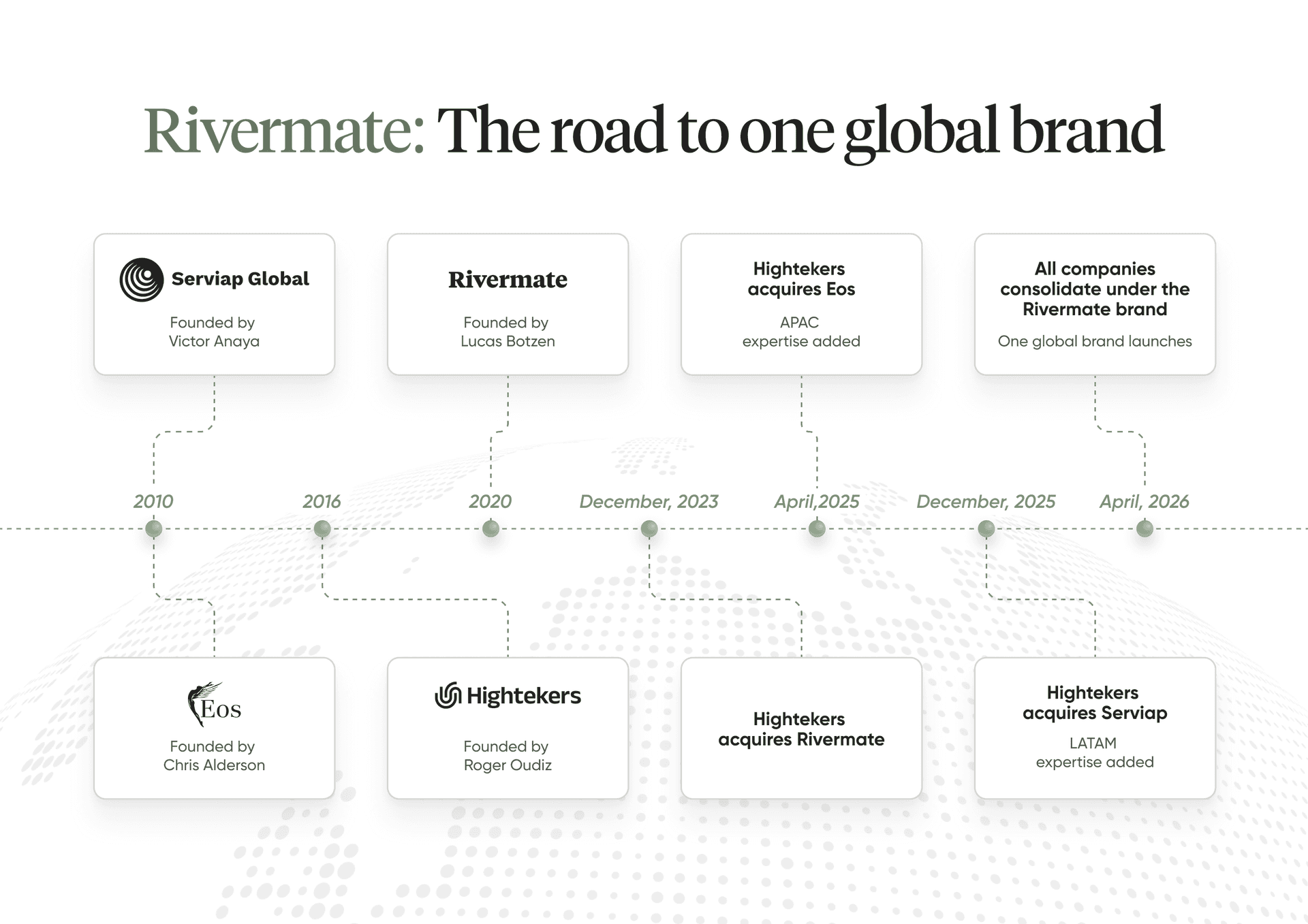
Big newsEos, Serviap, and Hightekers EOR are now Rivermate.Read more
Rivermate logo

International Employment Laws

9 mins read

Minimum Wage Updates in Latin America for 2026

Published on:

May 15, 2026

Updated on:

May 15, 2026

Rivermate | Minimum Wage Updates in Latin America for 2026

Minimum wage compliance is a core employment obligation and a key consideration for companies hiring across LATAM. For international organizations managing teams in different countries, minimum wage updates directly affect payroll calculations, employment costs, and compliance exposure. The minimum wage changes approved for 2026 make it especially important to understand how these rules apply in each country and how they impact hiring, payroll, and workforce planning in LATAM.

Minimum Wage Framework in Latin America

Minimum wages in Latin America are established at the national level and regulated through formal legal instruments such as government decrees, ministerial resolutions, or laws approved by congress. Each country defines its own framework, which determines how and when minimum wages are adjusted.

There is no single minimum wage model across LATAM. Some countries apply a unified national rate, while others differentiate wages by region, economic sector, job category, company size, or worker profile. In addition, payment bases may be monthly or daily, depending on local labor laws.

Because of these differences, minimum wage compliance in Latin America requires country-specific knowledge and continuous monitoring of official legal updates.

Minimum Wage Latin America 2026 – Country Overview

Below is a country-by-country overview of official minimum wage rates applicable in 2026, according to government decrees and resolutions. Only countries with confirmed and approved information are included.

Mexico

Mexico approved new daily minimum wages effective January 1, 2026. The general zone rate is MXN $315.04 per day, while the Northern Border Zone rate is MXN $440.87 per day. These rates were approved by the National Minimum Wage Commission (CONASAMI) under the Ministry of Labor. The adjustment represents an approximate 13% increase compared to 2025.

For a detailed breakdown of wage structure, payroll obligations, and employment rules, see our Mexico Country Guide.

Brazil

Brazil established a national minimum wage of BRL R$1,621.00 per month for 2026, equivalent to BRL R$54.04 per day. The rate became effective on January 1, 2026, through an executive decree issued by the President of Brazil. This reflects a 6.79% increase from the 2025 rate.

Colombia

Colombia set its Salario Mínimo Legal Mensual at COP $1,750,905 per month, effective January 1, 2026. In addition, a mandatory transport allowance of COP $249,095 applies to eligible workers. The adjustment was approved by presidential decrees issued through the Ministry of Labor. The base wage increased by 23% compared to 2025.

You can explore how minimum wage connects to payroll, allowances, and employment benefits in our Colombia Country Guide.

Peru

Peru’s Remuneración Mínima Vital remains at PEN S/1,130.00 per month throughout 2026. This rate was last adjusted in 2025 and continues to apply without change during 2026, according to official government decree.

Argentina

Argentina implemented a phased minimum wage increase starting January 1, 2026. The monthly minimum wage begins at ARS $341,000 and gradually increases to ARS $376,600 by August 1, 2026. These adjustments were approved by the National Employment and Wage Council under the Ministry of Labor.

A full overview of wage regulations, payment structure, and labor compliance is available in our Argentina Country Guide.

Chile

Chile’s minimum wage for adult workers aged 18 to 65 is CLP $539,000 per month, effective January 1, 2026. Separate rates apply to minors and senior workers. This adjustment represents a 2% increase and corresponds to the final stage of a previously approved wage law.

Costa Rica

Costa Rica applies differentiated minimum wages by job category. For 2026, a general increase of 1.63% was approved for most private-sector categories, effective January 1, 2026. Certain categories, such as domestic workers, received higher adjustments. These changes were approved by executive decree through the Ministry of Labor and the National Wage Council.

Dominican Republic

The Dominican Republic completed a two-stage minimum wage adjustment in February 2026, resulting in a total increase of 20%. Minimum wages vary by company size and sector, with differentiated monthly rates for large, medium, small, and micro-enterprises.

El Salvador

El Salvador approved a 12% increase in minimum wages by economic sector, effective June 1, 2025. These rates remain fully applicable throughout 2026. Minimum wages are established on a monthly basis and vary across sectors such as commerce, services, industry, maquila, and agriculture.

Guatemala

Guatemala approved new daily minimum wages effective January 1, 2026. Rates vary by region and economic activity, with increases ranging from 4% to 7.5%, depending on the sector. The adjustment was approved through a governmental agreement issued by the Ministry of Labor.

Panama

Panama introduced a new minimum wage adjustment effective January 16, 2026. All wage categories increased by amounts ranging from USD $9.50 to USD $15 per month, depending on sector, region, and job type. The adjustment was approved by executive decree under a biannual review framework.

Ecuador

Ecuador set its Salario Básico Unificado for 2026 at USD $482.00 per month, effective January 1, 2026. This represents a USD $12 increase compared to the 2025 rate and was approved by consensus through the National Wages Council.

Uruguay

Uruguay approved a two-stage minimum wage increase for 2026. The monthly minimum wage is UYU $24,572 starting January 1, 2026, with a second increase to UYU $25,383 effective July 1, 2026. These adjustments were approved by executive decree under the Ministry of Labor.

Also see our Country Guides for country-specific minimum wage and employment compliance information.

Minimum Wage Summary Table – LATAM 2026

Country Minimum Wage Amount Currency Payment Basis Effective Date (2026) Notes*
Mexico 315.04 / 440.87 MXN Daily Jan 1, 2026 Approx. +13%
Brazil 1,621.00 BRL Monthly Jan 1, 2026 +6.79%
Colombia 1,750,905 COP Monthly Jan 1, 2026 +23% base
Peru 1,130.00 PEN Monthly In force No change
Argentina 341,000 → 376,600 ARS Monthly Jan–Aug 2026 Phased increase
Chile 539,000 CLP Monthly Jan 1, 2026 +2%
Costa Rica Varies by role CRC Monthly Jan 1, 2026 +1.63% general
Dominican Republic Varies by size DOP Monthly Feb 1, 2026 Final phase
El Salvador Varies by sector USD Monthly In force +12%
Guatemala Varies by sector GTQ Daily Jan 1, 2026 Up to +7.5%
Panama Varies USD Monthly Jan 16, 2026 +9.5–15
Ecuador 482.00 USD Monthly Jan 1, 2026 +2.55%
Uruguay 24,572 → 25,383 UYU Monthly Jan & Jul 2026 Two stages

Minimum wage structures vary by country, including differences in payment basis, sectoral rules, and adjustment calendars.

*Notes indicate whether the minimum wage increased compared to 2025, remained unchanged, or was implemented in phases, based on official government announcements.

Why Minimum Wage Updates Matter for Employers

Minimum wage updates in Latin America go far beyond adjusting base salaries. In many countries, the minimum wage is directly linked to payroll calculations, statutory benefits, social security contributions, severance payments, and other employment-related obligations.

For employers, applying an outdated or incorrect minimum wage can result in underpayments, retroactive adjustments, penalties, and increased compliance risk. Staying aligned with official minimum wage updates for 2026 helps companies ensure payroll accuracy, maintain compliant employment contracts, and avoid unnecessary legal exposure.

Impact on Payroll, EOR & Hiring Decisions

Minimum wage changes have a direct impact on payroll operations and hiring decisions, especially for companies managing teams across multiple Latin American countries.

Each update affects salary structures, payroll configuration, and total employment costs. For companies hiring without a local legal entity, these updates are particularly relevant. Employer of Record (EOR) models are commonly used to manage local employment while ensuring that salaries meet minimum wage requirements and comply with local employment laws.

Compliance Challenges for Foreign Companies in LATAM

Latin America presents unique compliance challenges due to fragmented labor regulations and frequent legal updates. Minimum wage rules often vary by sector, region, or worker category, and may include phased increases or different payment bases.

Without local expertise, tracking and applying these changes consistently can be complex. A structured compliance approach is essential to reduce legal and administrative risk when hiring across LATAM.

How Rivermate Supports Companies in Latin America

With extensive experience supporting international hiring across Latin America, Rivermate helps companies expand and manage talent throughout the region through Employer of Record (EOR), Contractor of Record, and visa and immigration support services.

Through these solutions, Rivermate helps organizations comply with local minimum wage regulations, employment laws, and payroll-related requirements in each country. This allows companies to hire and manage talent across Latin America without establishing a local legal entity while remaining aligned with country-specific labor frameworks.

By acting as a strategic partner, Rivermate enables companies to scale their workforce in Latin America with confidence, supporting compliant hiring, workforce mobility, and long-term regional growth.

If you are planning to hire in Latin America and need support navigating minimum wage and employment compliance, contact the Rivermate team to discuss your hiring strategy.

FAQs

What is the minimum wage in Latin America for 2026?

There is no single minimum wage in Latin America. Each country sets its own minimum wage through official government decrees or resolutions.

Does minimum wage vary by country in LATAM?

Yes. Minimum wages vary by country and may also differ by sector, region, or job category.

How does minimum wage impact payroll compliance?

Minimum wage affects base salary calculations, social contributions, and overall employment compliance.

Can companies hire in LATAM without a local entity?

Yes. Companies can hire through Employer of Record (EOR) models without establishing a local legal entity.

How can an Employer of Record help with minimum wage compliance?

An Employer of Record ensures salaries meet local minimum wage requirements and remain compliant with employment laws.

Social Share:

Rivermate | background
Lorena González

Legal Content Writer

Lorena is a legal content writer and marketing specialist with an Intellectual Property and International Law background. She blends her knowledge to produce accessible and informative content for a broad audience. Lorena is passionate about using digital platforms to make law more accessible and demystify complex legal topics.

Rivermate | background
Team member

Hire your global team with confidence

Our Employer of Record (EOR) solution makes it easy to hire, pay, and manage global employees.

Book a demo
Minimum Wage Latin America 2026: Country-by-Country Employer Guide