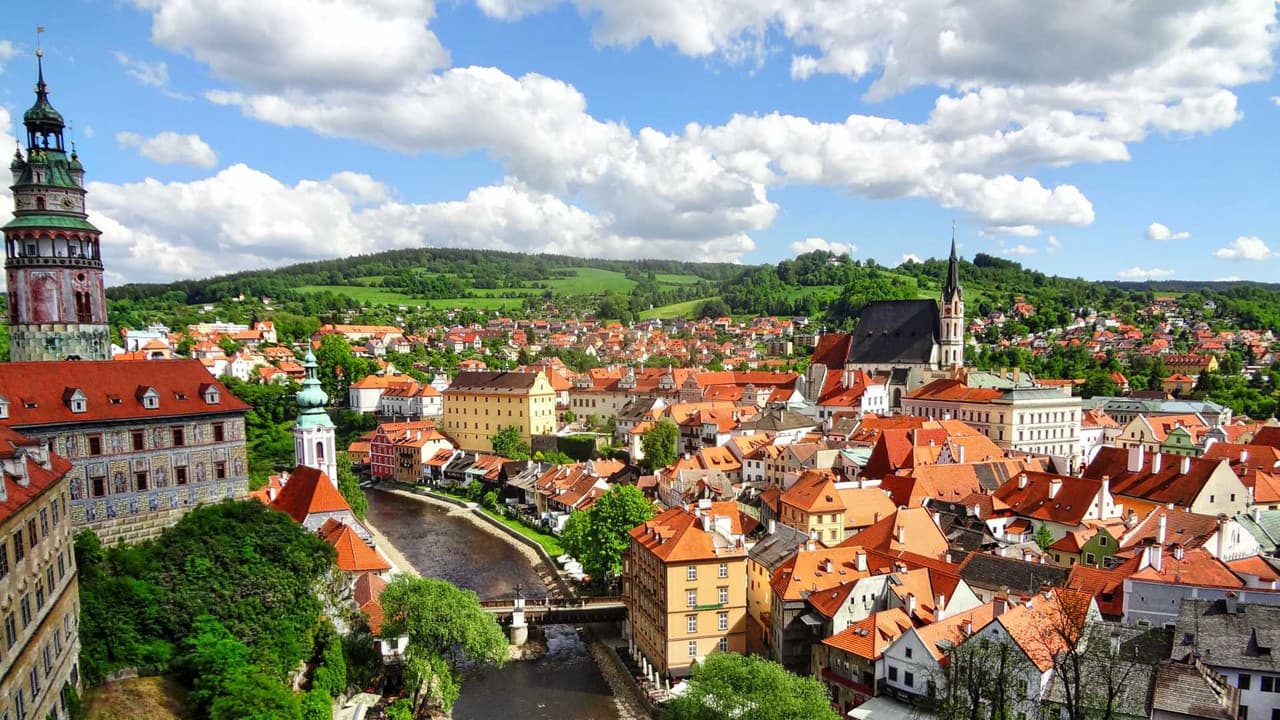
Navigating the business landscape in the Czech Republic requires an understanding of its unique cultural nuances. While increasingly integrated into the global economy, traditional values and communication styles continue to shape workplace dynamics and business interactions. Building successful relationships and achieving business objectives often hinges on respecting local customs and adapting approaches accordingly.
Understanding these cultural elements is crucial for foreign companies looking to establish or expand operations, hire local talent, or partner with Czech businesses. Awareness of communication preferences, negotiation styles, and workplace hierarchies can significantly impact efficiency, employee satisfaction, and overall business success.
Communication Styles
Communication in the Czech workplace tends to be relatively direct, though politeness and formality are still valued, especially in initial interactions. While directness is appreciated for clarity, overly aggressive or confrontational styles are generally not well-received.
- Directness: Czechs often get straight to the point in business discussions. This should not be mistaken for rudeness; it is typically intended for efficiency.
- Formality: Using formal titles (like Pan/Pani followed by surname or professional title) is common, particularly when addressing superiors or in formal settings. First names are typically used only after a relationship has been established and mutual agreement is reached.
- Non-Verbal Cues: Pay attention to body language and tone. While less overtly expressive than some cultures, non-verbal cues still convey important information.
- Written Communication: Email is a standard method, and clarity and conciseness are valued. Ensure emails are well-structured and polite.
| Aspect | Czech Approach |
|---|---|
| Verbal Style | Direct but polite; avoids excessive small talk. |
| Formality | High initially, especially with superiors. |
| Tone | Professional, factual. |
| Preferred Method | Email for documentation, meetings for discussion. |
Business Negotiation Practices
Negotiations in the Czech Republic are typically approached methodically and require patience. Building trust and demonstrating reliability are key components.
- Preparation: Thorough preparation is essential. Be ready to present detailed information and justifications for proposals.
- Decision-Making: Decisions may take time as they often involve consultation and careful consideration. Avoid pressuring counterparts for immediate answers.
- Relationship Building: While not as central as in some Asian cultures, building a good working relationship based on trust and mutual respect is beneficial. Socializing outside of formal meetings can help.
- Strategy: Focus on presenting a clear, logical case. Be prepared for detailed questions and potential counter-proposals. Flexibility within reason is appreciated, but firm stances backed by data are respected.
Hierarchical Structures
Workplaces in the Czech Republic often have clear hierarchical structures. Respect for authority and experience is common, and decision-making power is typically concentrated at higher levels.
- Respect for Authority: Employees generally show respect for managers and senior colleagues. Deferring to the opinions of those in higher positions is common.
- Decision-Making: Major decisions are usually made by management. While input from employees may be sought, the final authority rests with superiors.
- Manager-Employee Relationships: Relationships are often professional rather than overly familiar. While open communication is encouraged, maintaining professional boundaries is important.
Holidays and Observances
Public holidays can significantly impact business operations, leading to closures or reduced activity. It's crucial to be aware of these dates when planning meetings, deadlines, or travel in 2026.
| Data | Feriado | Potencial Impact |
|---|---|---|
| 1 de janeiro | Confraternização Universal | Feriado nacional, fechamentos |
| 3 de abril | Sexta-feira Santa | Feriado nacional, fechamentos |
| 6 de abril | Segunda-feira de Páscoa | Feriado nacional, fechamentos |
| 1 de maio | Dia do Trabalho | Feriado nacional, fechamentos |
| 8 de maio | Dia da Vitória | Feriado nacional, fechamentos |
| 5 de julho | Dia de Santa Cirilo e Metódio | Feriado nacional, fechamentos |
| 6 de julho | Dia de Jan Hus | Feriado nacional, fechamentos |
| 28 de setembro | Dia da Soberania Estatal Tcheca | Feriado nacional, fechamentos |
| 28 de outubro | Dia do Estado Independente da Tchecoslováquia | Feriado nacional, fechamentos |
| 17 de novembro | Dia da Luta pela Liberdade e Democracia | Feriado nacional, fechamentos |
| 24 de dezembro | Véspera de Natal | Feriado nacional, fechamentos |
| 25 de dezembro | Natal | Feriado nacional, fechamentos |
| 26 de dezembro | Dia de Santo Estêvão (Segundo Dia de Natal) | Feriado nacional, fechamentos |
Note que muitas empresas também podem fechar ou operar com horário reduzido nos dias imediatamente anteriores ou posteriores a um feriado, especialmente se isso criar um feriado prolongado.
Normas Culturais que Impactam as Relações de Negócios
Construir relações comerciais bem-sucedidas envolve mais do que apenas reuniões formais. Entender e respeitar as normas culturais fora da sala de reuniões pode aumentar significativamente a confiança e o rapport.
- Pontualidade: Chegar na hora às reuniões é esperado e considerado um sinal de respeito.
- Troca de Presentes: Pequenos presentesThoughtful (como uma garrafa de vinho ou um livro) podem ser trocados, especialmente após uma negociação ou parceria bem-sucedida. Evite presentes excessivamente caros, que podem ser mal interpretados.
- Socialização: Aceitar convites para café, almoço ou jantar pode ser uma boa estratégia para construir rapport. Esteja preparado para discussões que podem abordar tópicos pessoais, mantendo, contudo, o nível profissional.
- Confiança: A confiança é construída ao longo do tempo por meio de interações consistentes e confiáveis. Cumprir promessas e demonstrar integridade são essenciais.
| Aspecto | Dica de Etiqueta |
|---|---|
| Reuniões | Seja pontual. Tenha uma agenda clara. |
| ** Apresentações** | Use títulos formais (Pan/Pani) até ser convidado a usar nomes de primeira. |
| Cartões de Visita | Troque cartões após as apresentações. |
| Socialização | Aceite convites para construir rapport. Seja educado e respeitoso. |
| Conversas | Evite tópicos excessivamente sensíveis inicialmente. Política e história podem ser complexas. |
Empregue os melhores talentos em República Tcheca por meio de nosso serviço Employer of Record.
Agende uma chamada com nossos especialistas EOR para saber mais sobre como podemos ajudá-lo(a) em República Tcheca







Agende uma ligação com nossos especialistas em EOR para saber mais sobre como podemos ajudar você em República Tcheca.
Confiado por mais de 1000 empresas ao redor do mundo
 4.9/5 on G2
 4.8/5 on Trustpilot
 4.8/5 on Capterra
 4.6/5 on Google