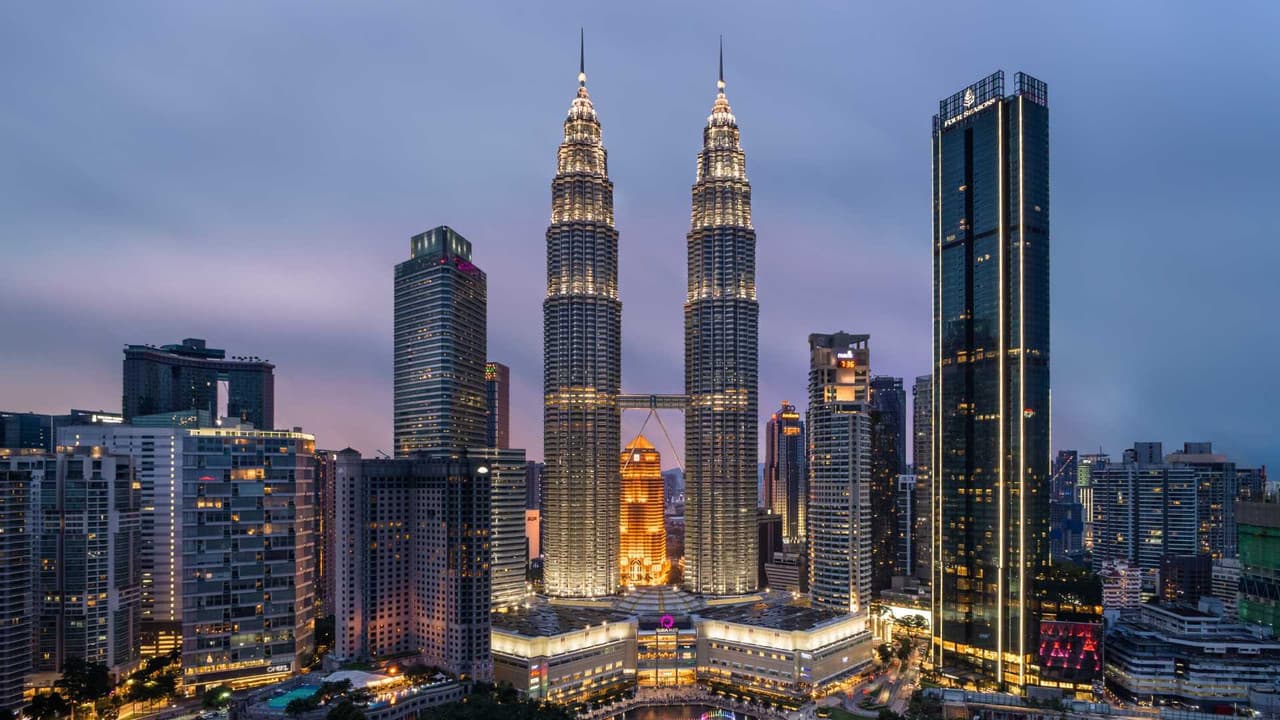
Navegando pelo panorama de benefícios e direitos dos funcionários na Malásia
Navigating the landscape of employee benefits and entitlements in Malaysia is crucial for businesses looking to establish or expand their presence in the country. A well-structured benefits package is not only a matter of legal compliance but also a significant factor in attracting and retaining talent in a competitive market. Understanding both the mandatory requirements set by the government and the common practices adopted by employers is essential for building a motivated and productive workforce.
The expectations of employees regarding benefits are evolving, influenced by global trends and local market conditions. While statutory benefits provide a baseline, offering competitive optional benefits can significantly enhance an employer's appeal. This requires a clear understanding of typical offerings across different industries and company sizes, as well as the associated costs and administrative complexities.
Mandatory Benefits Required by Law
Malaysian labor law, primarily governed by the Employment Act 1955 (EA 1955) and other related legislation, mandates several key benefits and entitlements for eligible employees. Compliance with these requirements is non-negotiable for all employers.
- Employees Provident Fund (EPF): This is a compulsory retirement savings scheme. Both employers and employees contribute a percentage of the employee's monthly wages. Contribution rates are set by the EPF and vary slightly based on the employee's age and monthly wage amount. Employers are responsible for deducting the employee's share and remitting both contributions to the EPF by the stipulated deadline each month.
- Social Security Organization (SOCSO): SOCSO provides social security protection to employees through two schemes: the Employment Injury Scheme and the Invalidity Scheme. Contributions are mandatory for both employers and employees, calculated based on a percentage of the employee's monthly wages, up to a certain wage ceiling. These contributions cover benefits like medical aid, temporary disablement benefit, permanent disablement benefit, and invalidity pension.
- Employment Insurance System (EIS): Administered by SOCSO, EIS provides financial assistance to employees who lose their jobs. Both employers and employees contribute a small percentage of the employee's monthly salary. Benefits include job search allowance, reduced income allowance, and training allowance.
- Minimum Wage: Malaysia has a legally mandated minimum wage that employers must adhere to. This rate is subject to periodic review by the government.
- Annual Leave: Employees are entitled to paid annual leave based on their length of service with the employer. The minimum entitlement increases with years of service.
| Length of Service | Minimum Annual Leave Entitlement |
|---|---|
| Less than 2 years | 8 days per year |
| 2 years but less than 5 | 12 days per year |
| 5 years or more | 16 days per year |
- Sick Leave: Employees are entitled to paid sick leave, with the number of days depending on their length of service and whether hospitalization is required. A medical certificate from a registered doctor is necessary.
| Length of Service | Minimum Sick Leave (No Hospitalization) | Minimum Sick Leave (With Hospitalization) |
|---|---|---|
| Less than 2 years | 14 days per year | 60 days per year |
| 2 years but less than 5 | 18 days per year | 60 days per year |
| 5 years or more | 22 days per year | 60 days per year |
- Maternity Leave: Female employees are entitled to paid maternity leave for a specified duration for each confinement, up to a certain number of confinements.
- Paternity Leave: Male employees are entitled to paid paternity leave for a specified duration, subject to certain conditions.
- Public Holidays: Employees are entitled to paid holidays on gazetted public holidays. The EA 1955 specifies a minimum number of paid holidays per year, including certain designated days.
Compliance involves accurate calculation of contributions, timely payments, proper record-keeping, and adherence to leave entitlements as stipulated by law. Failure to comply can result in penalties and legal action.
Common Optional Benefits Provided by Employers
Beyond the statutory requirements, many employers in Malaysia offer a range of optional benefits to attract and retain talent, enhance employee well-being, and build a positive company culture. These benefits are often key differentiators in the job market and significantly influence employee expectations.
- Medical Insurance: Group medical insurance is one of the most common and highly valued optional benefits. Employers typically provide coverage for hospitalization, surgery, outpatient visits, and sometimes specialist consultations. The scope of coverage and the panel of clinics/hospitals vary depending on the policy.
- Dental and Optical Benefits: Many companies extend their health coverage to include dental check-ups, treatments, and optical benefits like eye examinations and spectacle allowances.
- Transport or Travel Allowance: Provided to help employees cover commuting costs, especially in areas where public transport is less accessible or for roles requiring travel.
- Meal Allowance: Offered to subsidize employee meal costs, particularly for those working long hours or in locations with limited food options nearby.
- Performance Bonuses: Discretionary payments based on individual, team, or company performance. These are a significant motivator and a common part of compensation packages.
- Training and Development: Employers often invest in employee growth through training programs, workshops, and support for further education.
- Flexible Work Arrangements: Including flexible hours, remote work options, or hybrid models, which have become increasingly important to employees.
- Wellness Programs: Initiatives promoting employee health and well-being, such as gym memberships, health screenings, or mental health support.
- Company Car or Car Allowance: Often provided for senior roles or positions requiring frequent travel.
- Mobile Phone or Communication Allowance: Provided for roles that require constant communication.
The cost of these optional benefits varies widely depending on the type of benefit, the level of coverage (for insurance), and the number of employees. Employers often benchmark their offerings against competitors to ensure their package remains competitive and meets employee expectations. Employee expectations are high for benefits like medical insurance, performance bonuses, and increasingly, flexible work options.
Requisitos e Práticas de Seguro de Saúde
While there is no mandatory requirement for employers to provide private health insurance in Malaysia (employees are covered by SOCSO for work-related injuries and have access to public healthcare), providing group medical insurance is a standard practice and a highly sought-after benefit.
Employers typically purchase group medical insurance policies from private insurance providers. These policies can be customized to offer different levels of coverage, including:
- Inpatient (hospitalization and surgery)
- Outpatient (GP and specialist visits)
- Maternity
- Dental
- Optical
The cost of group medical insurance is a significant expense for employers and is influenced by factors such as:
- The age profile of the employee group
- The claims history of the group
- The level of coverage chosen (annual limits, room and board limits, types of benefits included)
- The chosen panel of hospitals and clinics
Competitive health insurance packages often include high annual limits, comprehensive inpatient and outpatient coverage, and access to a wide network of healthcare providers. Employees highly value robust medical benefits, and the quality of the health insurance plan can be a key factor in their decision to accept or remain in a role.
Planos de Aposentadoria e Pensão
The primary retirement savings scheme in Malaysia is the mandatory Employees Provident Fund (EPF). Both employers and employees contribute a percentage of the employee's monthly salary to individual EPF accounts. These contributions are invested by the EPF, and employees can withdraw funds upon retirement or under specific circumstances (e.g., purchasing a house, medical expenses).
Contribution rates are determined by the EPF and are subject to change. As of recent regulations, the standard rates are:
| Salário Mensal do Funcionário | Participação do Funcionário | Participação do Empregador (Idade < 60) | Participação do Empregador (Idade >= 60) |
|---|---|---|---|
| Até RM 5.000 | 11% | 13% | 6,5% |
| Acima de RM 5.000 | 11% | 12% | 6% |
Nota: Os funcionários podem optar por uma contribuição reduzida de 7% para sua participação.
Enquanto o EPF é a principal ferramenta de aposentadoria, algumas empresas, particularmente grandes multinacionais, podem oferecer planos suplementares de aposentadoria ou pensões como benefício adicional. Estes são menos comuns do que outros benefícios opcionais, mas podem ser um forte atrativo para talentos sêniores. Esses planos suplementares podem assumir várias formas, como planos de contribuição definida onde o empregador faz contribuições adicionais para um fundo separado para o empregado.
O cumprimento do EPF envolve cálculo preciso das contribuições com base na base salarial correta, envio pontual das contribuições e detalhes de contribuição ao EPF, e gestão adequada das informações do EPF do funcionário.
Pacotes Típicos de Benefícios por Indústria e Tamanho da Empresa
Os pacotes de benefícios para funcionários na Malásia podem variar bastante dependendo da indústria e do tamanho da empresa.
- Indústria: Certos setores, como tecnologia, finanças e óleo & gás, são conhecidos por oferecer pacotes de benefícios mais generosos para atrair talentos altamente qualificados. Esses frequentemente incluem cobertura médica abrangente, bônus elevados, opções de ações e programas de treinamento extensivos. Outras indústrias podem ter ofertas mais padronizadas, focadas principalmente em benefícios obrigatórios e cobertura médica básica.
- Tamanho da Empresa:
- Pequenas e Médias Empresas (PMEs): Geralmente enfocam em cumprir requisitos obrigatórios e podem oferecer benefícios opcionais básicos como seguro médico em grupo (com limites de cobertura menores) e talvez um bônus anual modesto. A capacidade de oferecer benefícios extensos costuma ser limitada pelos custos.
- Grandes Empresas Nacionais: Normalmente oferecem pacotes mais competitivos do que as PMEs, incluindo melhor cobertura médica, mais tipos de licença, e esquemas de bônus estruturados.
- MNCs (Empresas Multinacionais): Frequentemente fornecem os pacotes de benefícios mais completos e competitivos, comparados aos padrões globais. Podem incluir seguro saúde premium, políticas de licença extensive, planos de aposentadoria suplementares, programas de bem-estar e várias ajudas de custo (transporte, refeição, etc.). Têm custos de benefício mais altos por funcionário, mas usam isso como uma ferramenta chave na atração e retenção de talentos.
Pacotes de benefícios competitivos são cruciais para atrair talentos de ponta, principalmente em setores de alta demanda. Os empregadores precisam entender o que é considerado padrão em sua indústria e localidade específicas para garantir que suas ofertas sejam atrativas. Isso geralmente envolve realizar pesquisas de mercado e benchmarking. O custo dos benefícios é uma componente significativa da remuneração total e deve ser gerenciado cuidadosamente para manter a competitividade.
Empregue os melhores talentos em Malásia por meio de nosso serviço Employer of Record.
Agende uma chamada com nossos especialistas EOR para saber mais sobre como podemos ajudá-lo(a) em Malásia







Agende uma ligação com nossos especialistas em EOR para saber mais sobre como podemos ajudar você em Malásia.
Confiado por mais de 1300 empresas ao redor do mundo